August 29, 2026
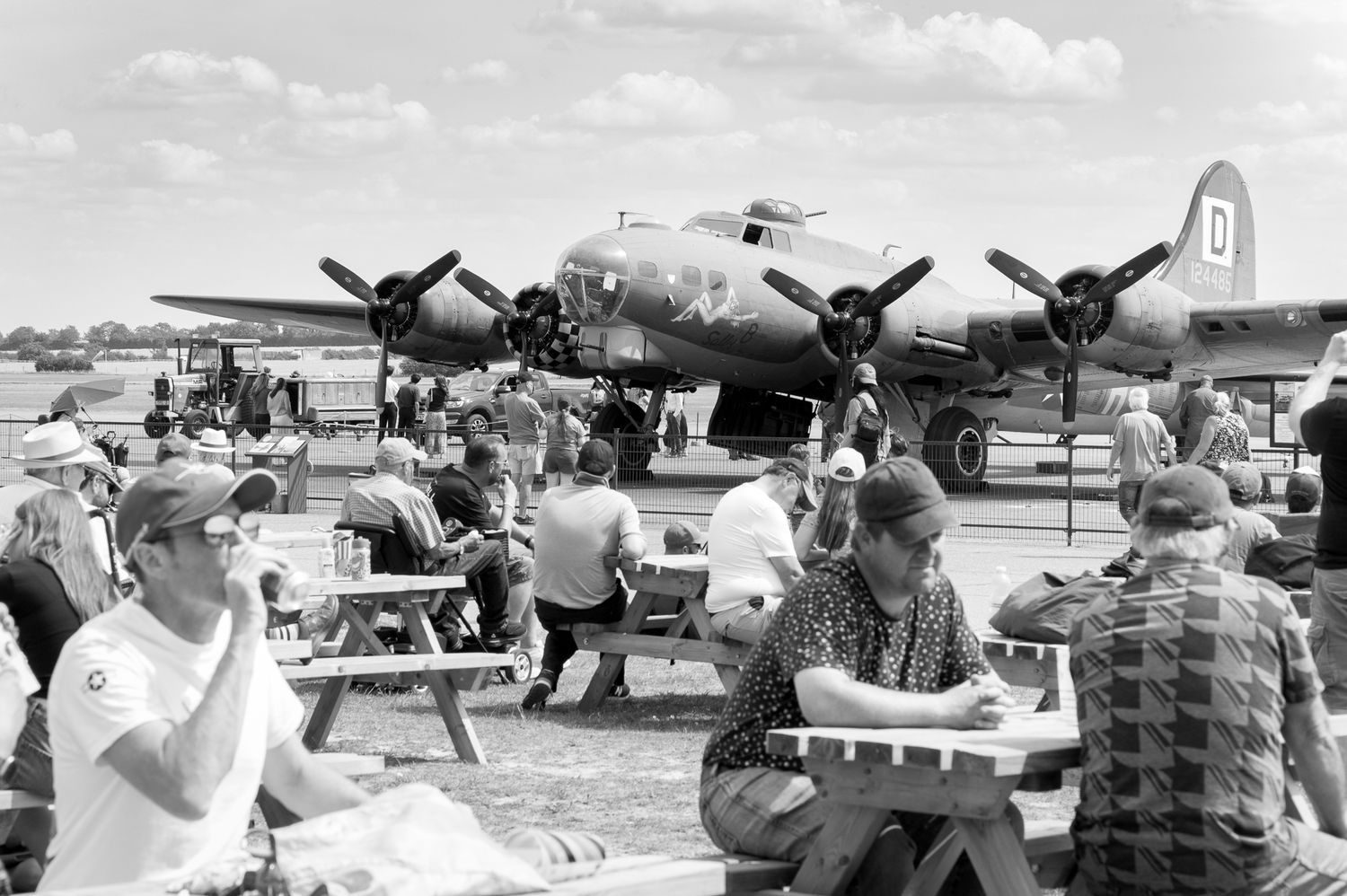
IWM Duxford Flying Days: The Americans - 24th July 2026
- Editorial ·
- Events ·
- Journalistic ·
- Observational ·
- Reportage ·
- Travel
Over the past couple of years, my career has shifted in ways I didn’t fully expect. I'm a product designer, and I've been working in the tech industry for nearly 30 years, however after a redundancy from a AI tech firm in Cambridge, I found myself returning to the parts of my work that have always felt the most instinctive: art and design, storytelling, and photography.
As I’ve grown my freelance photography business alongside my design consultancy, I’ve felt a growing pull toward refining my craft and stepping more confidently into full time photography.
Photography has been part of my life for as long as I can remember, I started with a KODAK Instamatic using 126 cartridge film before moving on to my granddads old Rank Mamiya 35mm rangefinder. I studied it as part of my design degree, collaborated with photographers throughout my career, and spent years shooting purely for the fun of it. But as my client work expanded, I realised I needed to refresh my studio skills and update my portfolio with guidance from someone deeply rooted in portrait photography.
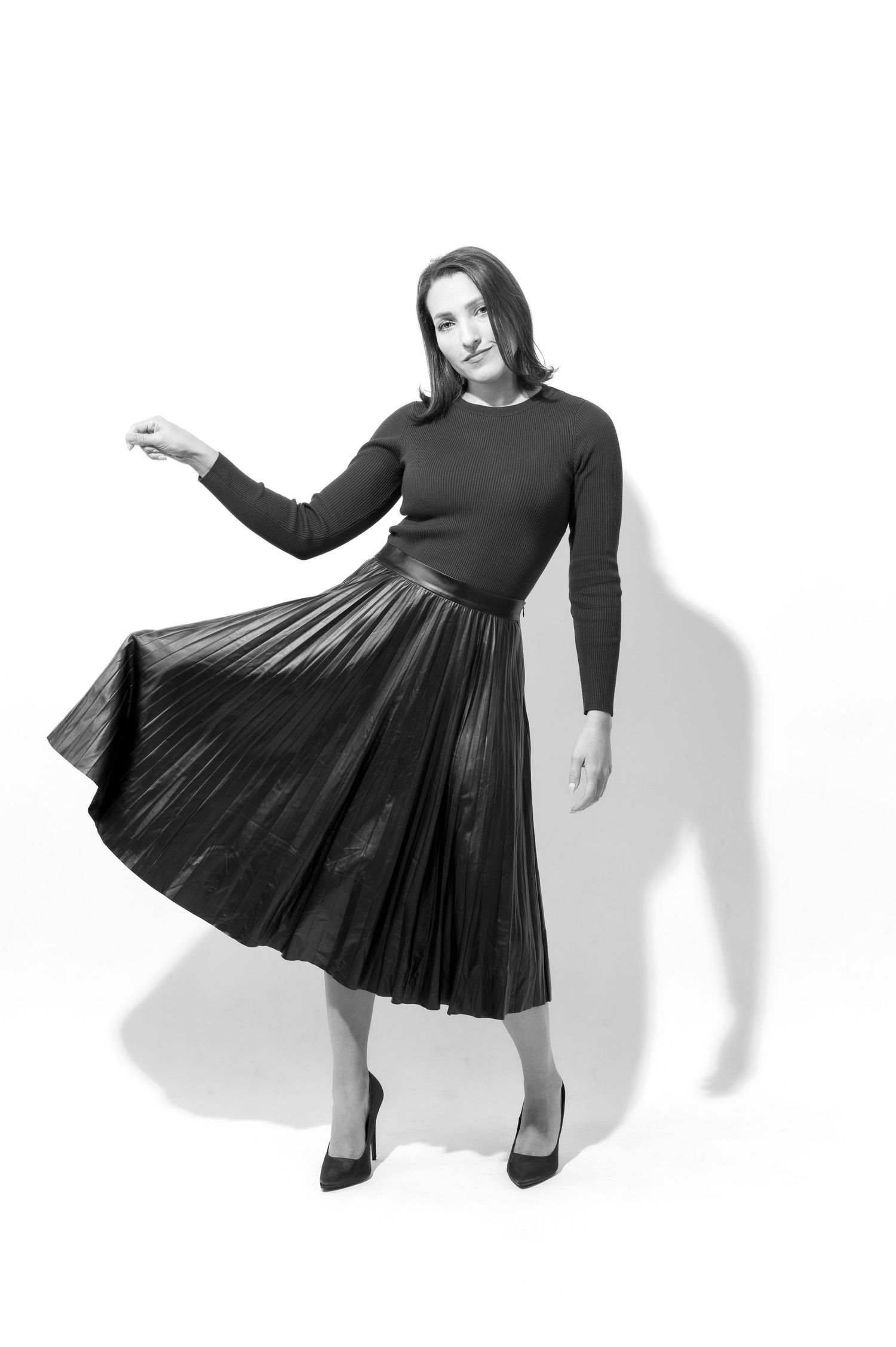
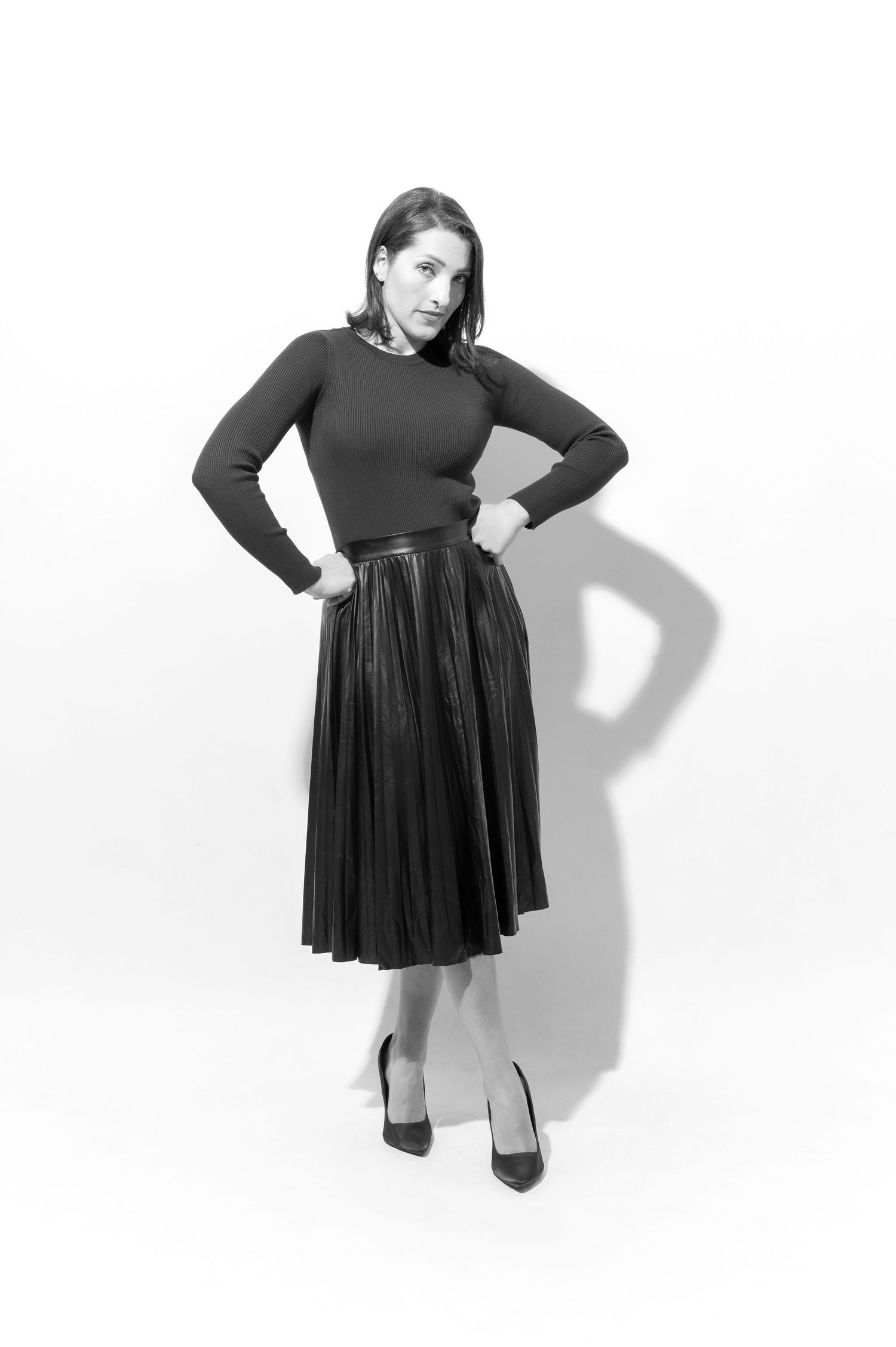
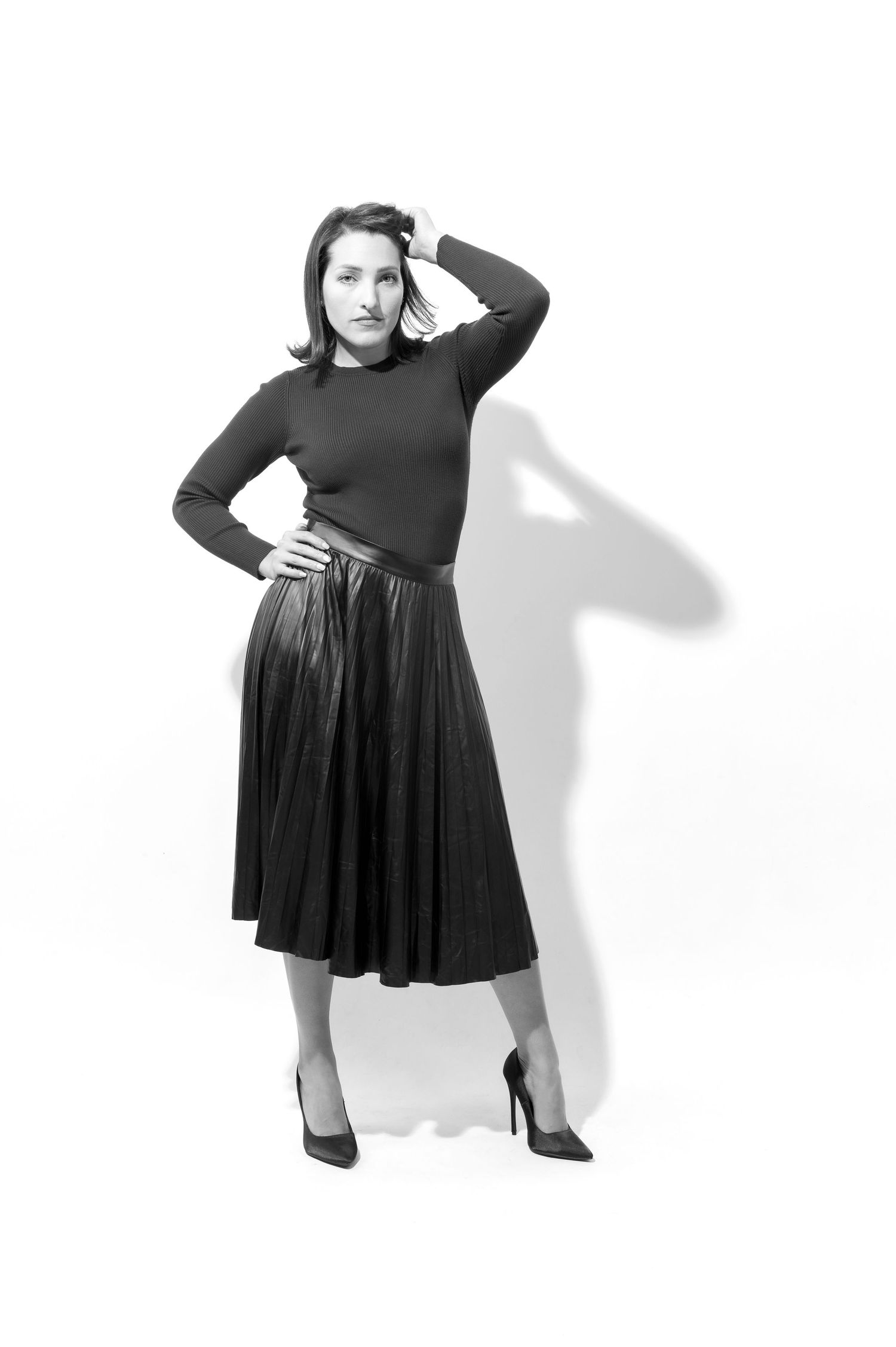
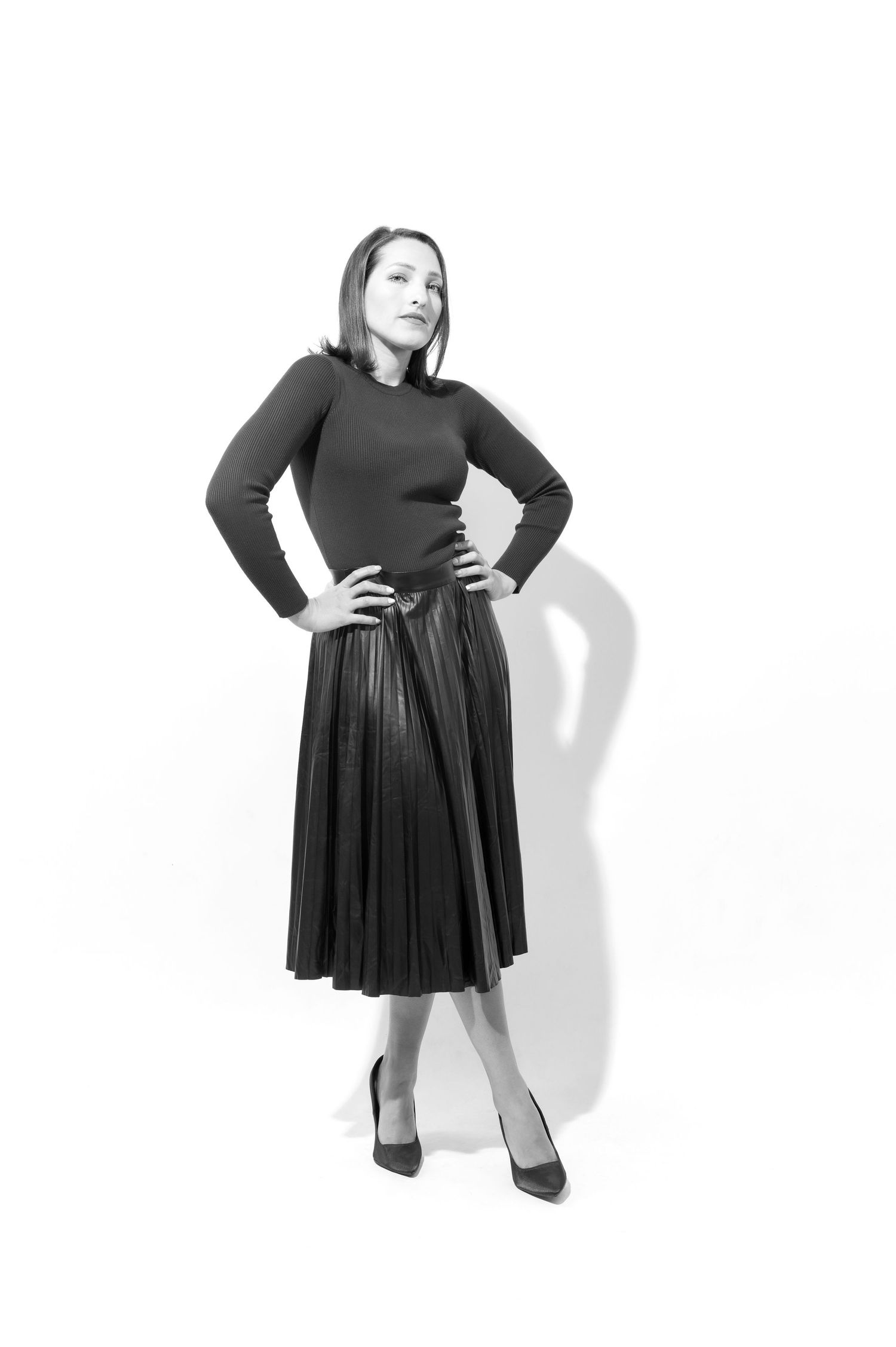
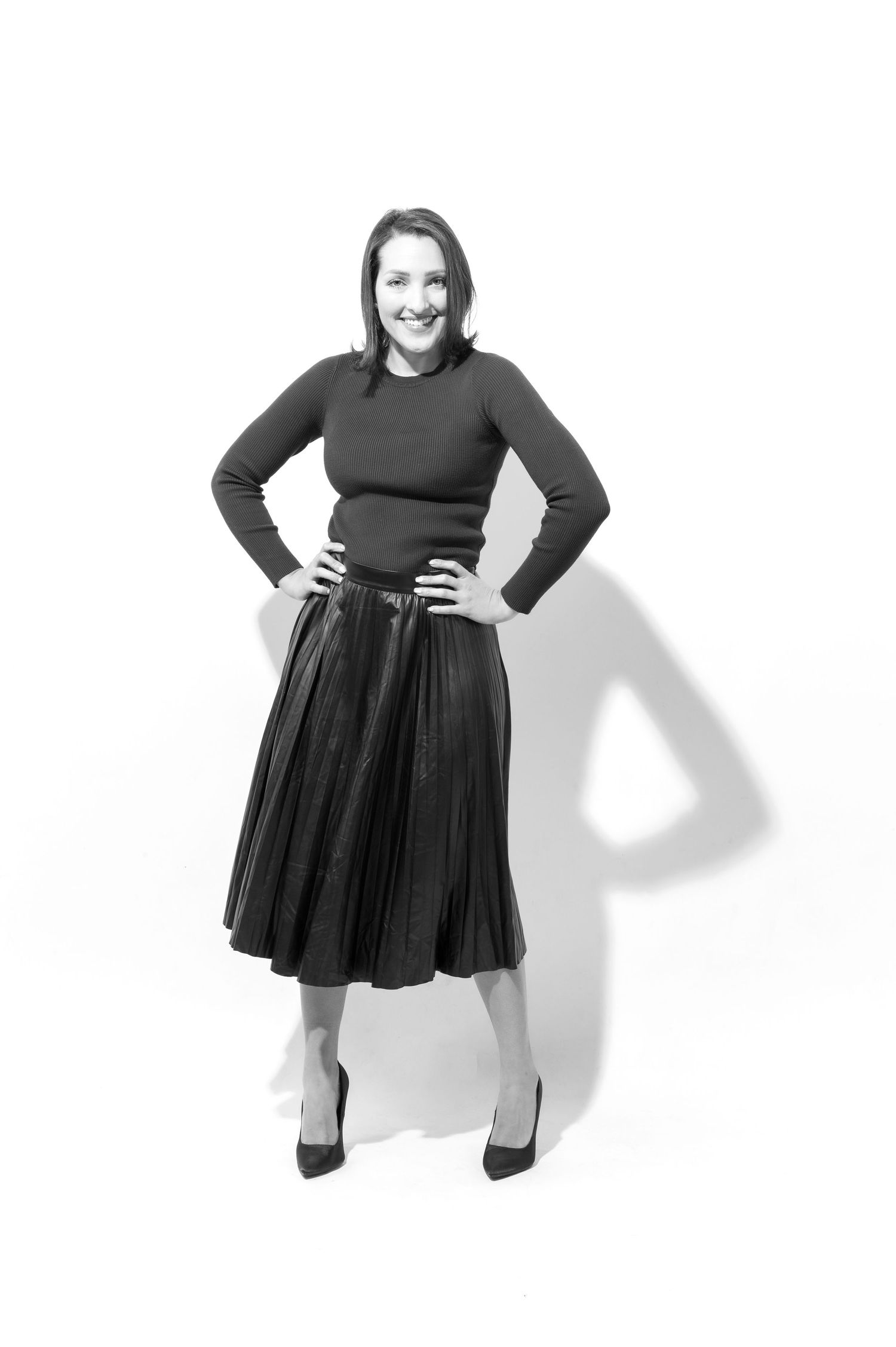
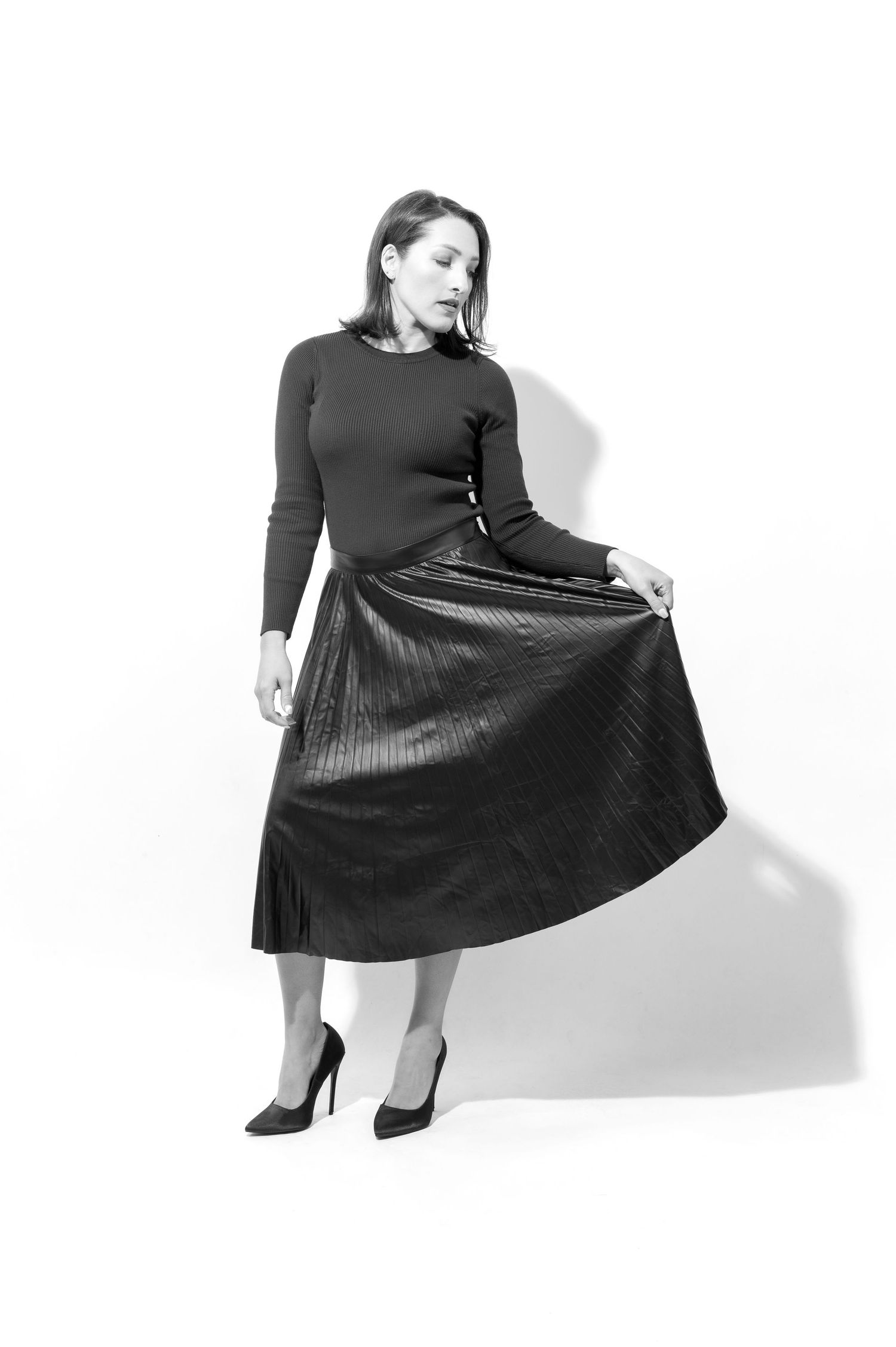
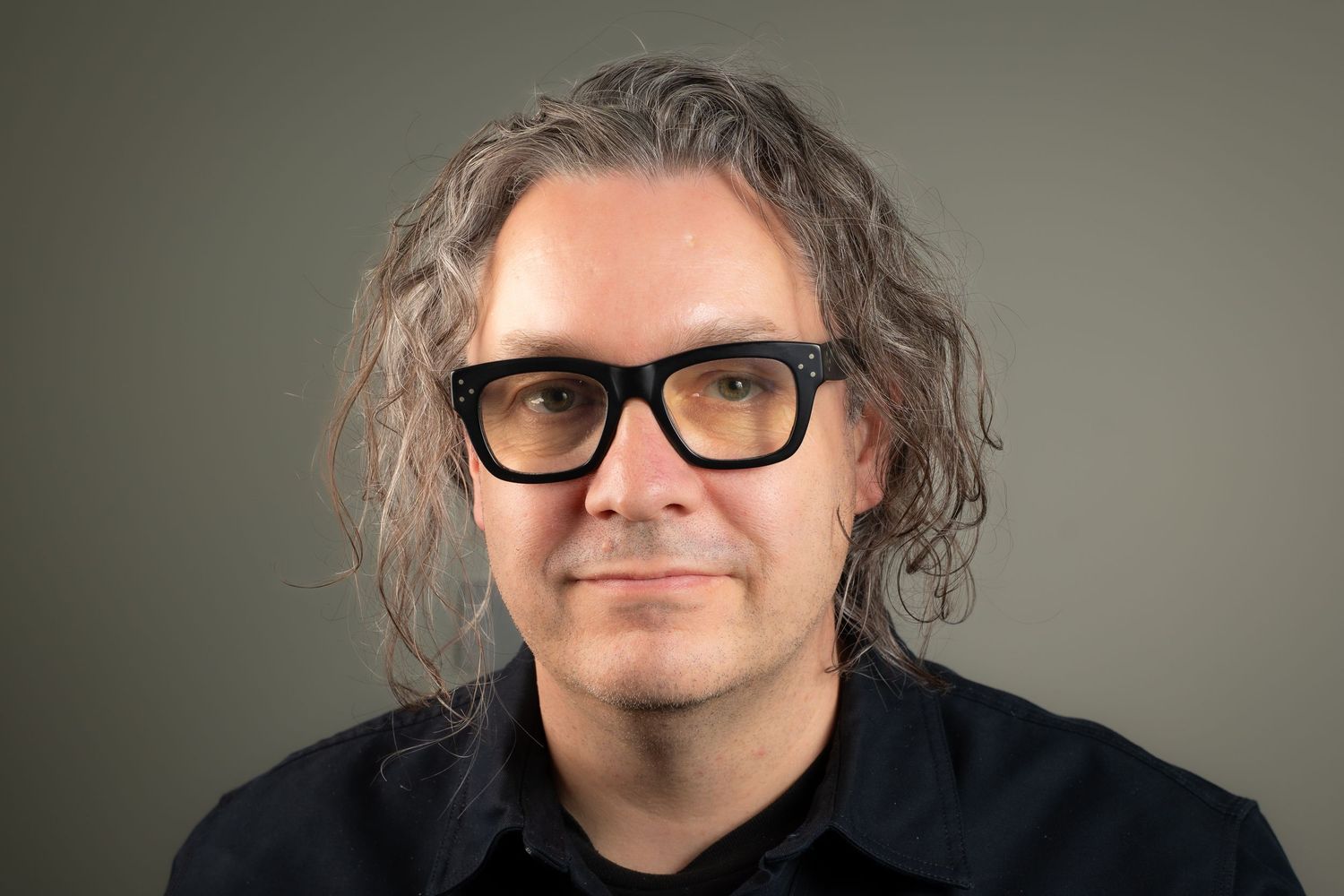
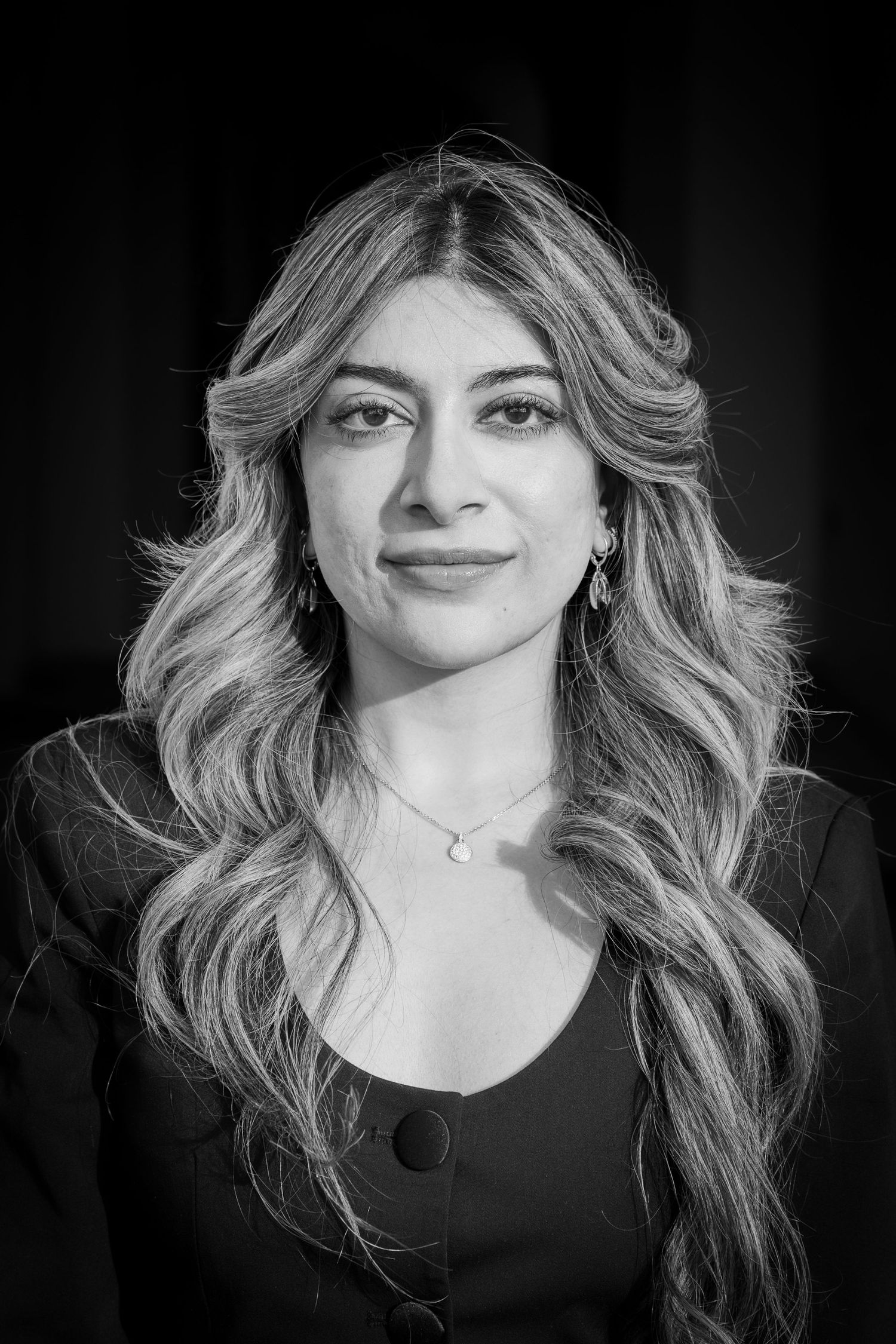
That’s how I found Bob Foyers. His Suffolk studio is close enough to make the trip easy and would be a fun drive through the Suffolk countryside from Cambridge, and his portfolio immediately resonated with me, expressive, confident portraits with a clarity of intention. I booked a workshop session with him and model Mariana, aiming to deepen my understanding of lighting, posing, and directing people in a studio environment.
I took two setups, each chosen deliberately for what I wanted to learn. For black‑and‑white work, I brought a Leica M Monochrom paired with my 35mm and 50mm Summicron f/2 lenses. The Leica M forces a slower, more intentional way of seeing; no colour to hide behind, no shortcuts, just pure tonal range and composition. I’m increasingly keen to bring it into more of my professional work, weddings, events, portraits and editorial sessions because of the way it renders light with such honesty and depth.
For colour portraits, I brought my Lumix S5IIX with the Sigma 24 – 70mm f/2.8. It’s the camera I rely on for most client work: flexible, responsive, and capable of handling fast‑paced sessions where I need to adapt quickly. Using both systems side by side gave me the chance to explore how different tools shape the way I shoot, think, and interact with the person in front of the lens.
One of the most valuable parts of the workshop was being able to slow down and really study the technical side of portrait lighting. Bob walked me through a range of studio lighting techniques, each one offering a different mood and level of sculpting.
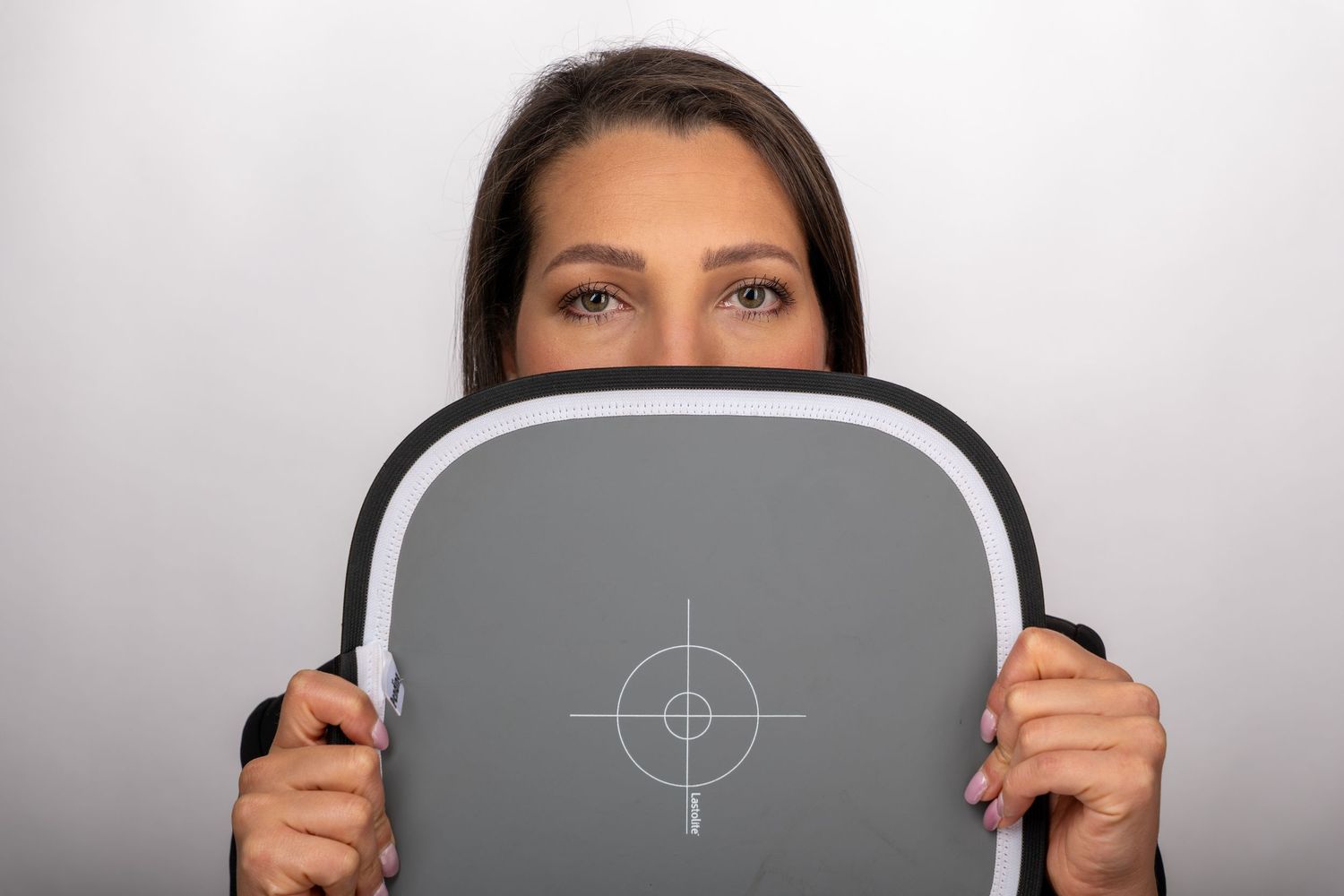
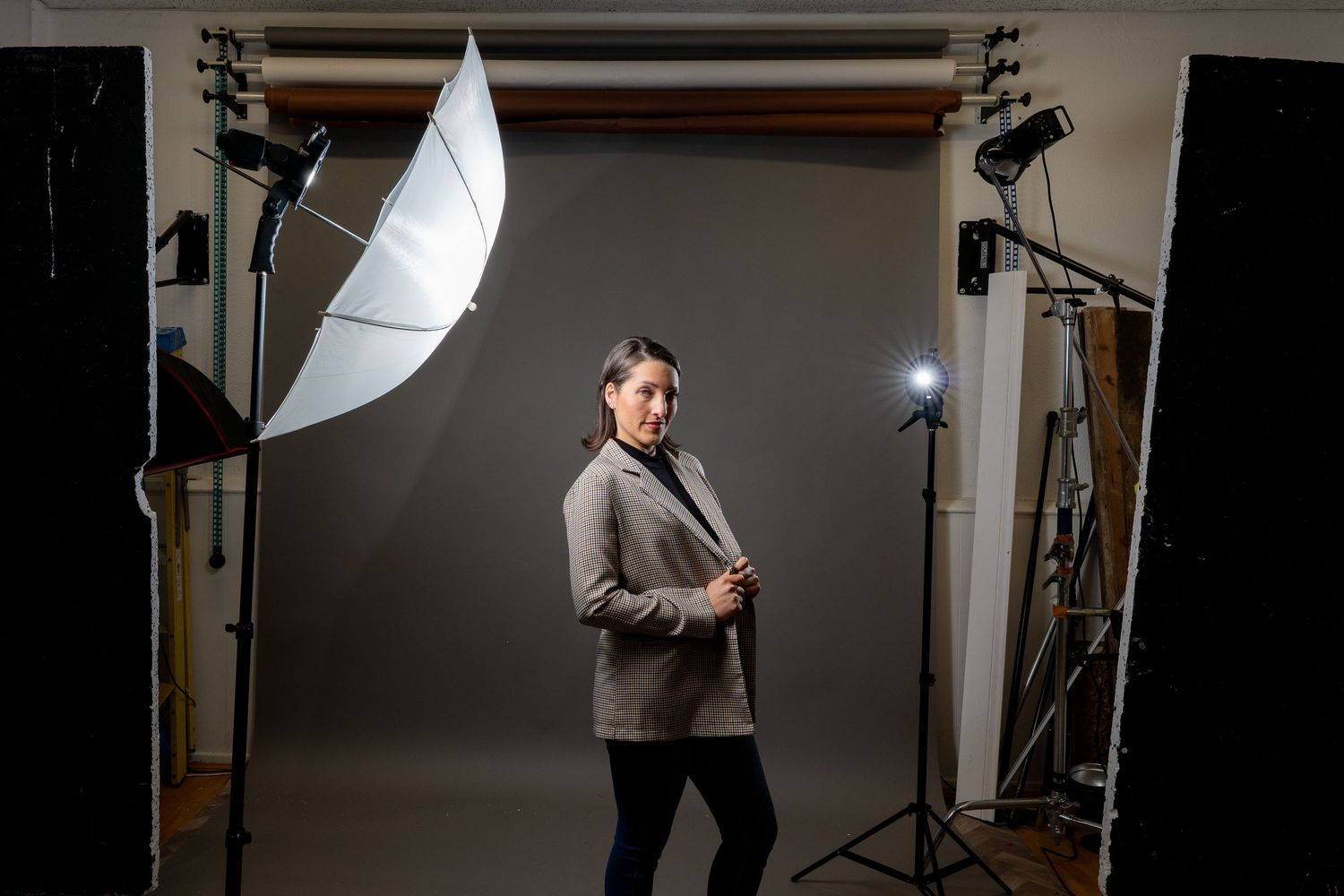
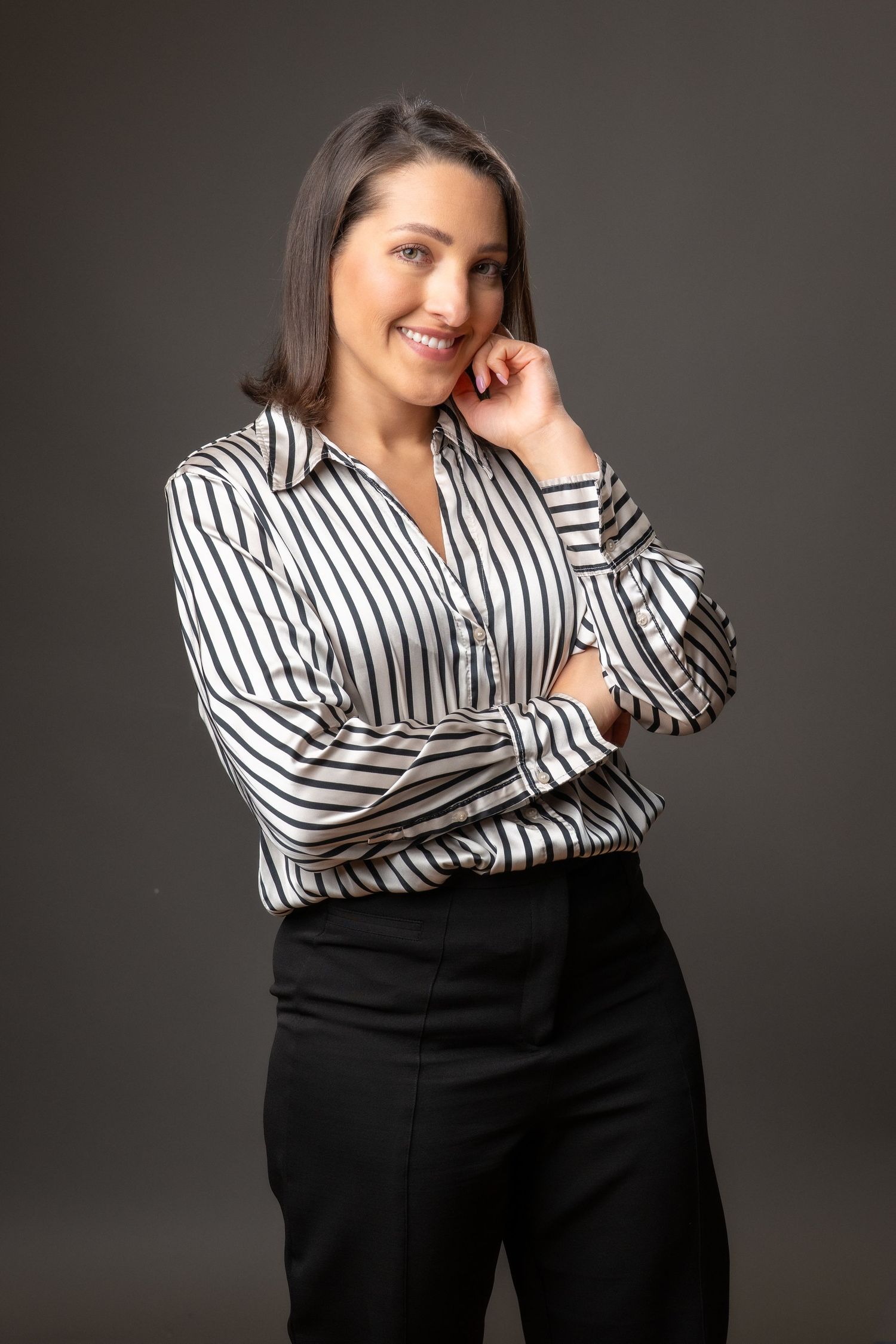

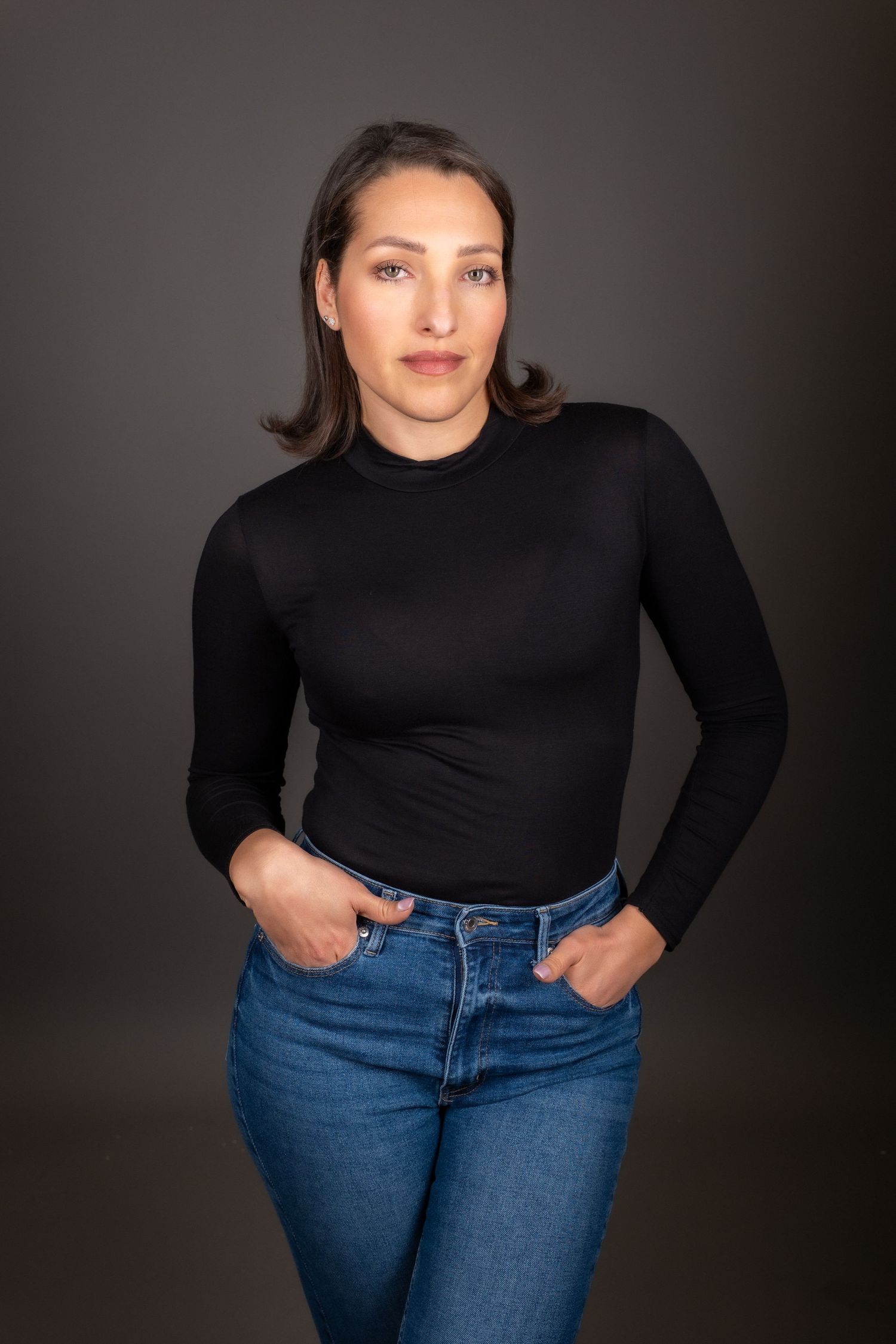
We explored how small adjustments, raising or lowering the key light, changing the angle of a modifier, or shifting the distance between light and subject could completely transform the emotional tone of a portrait.
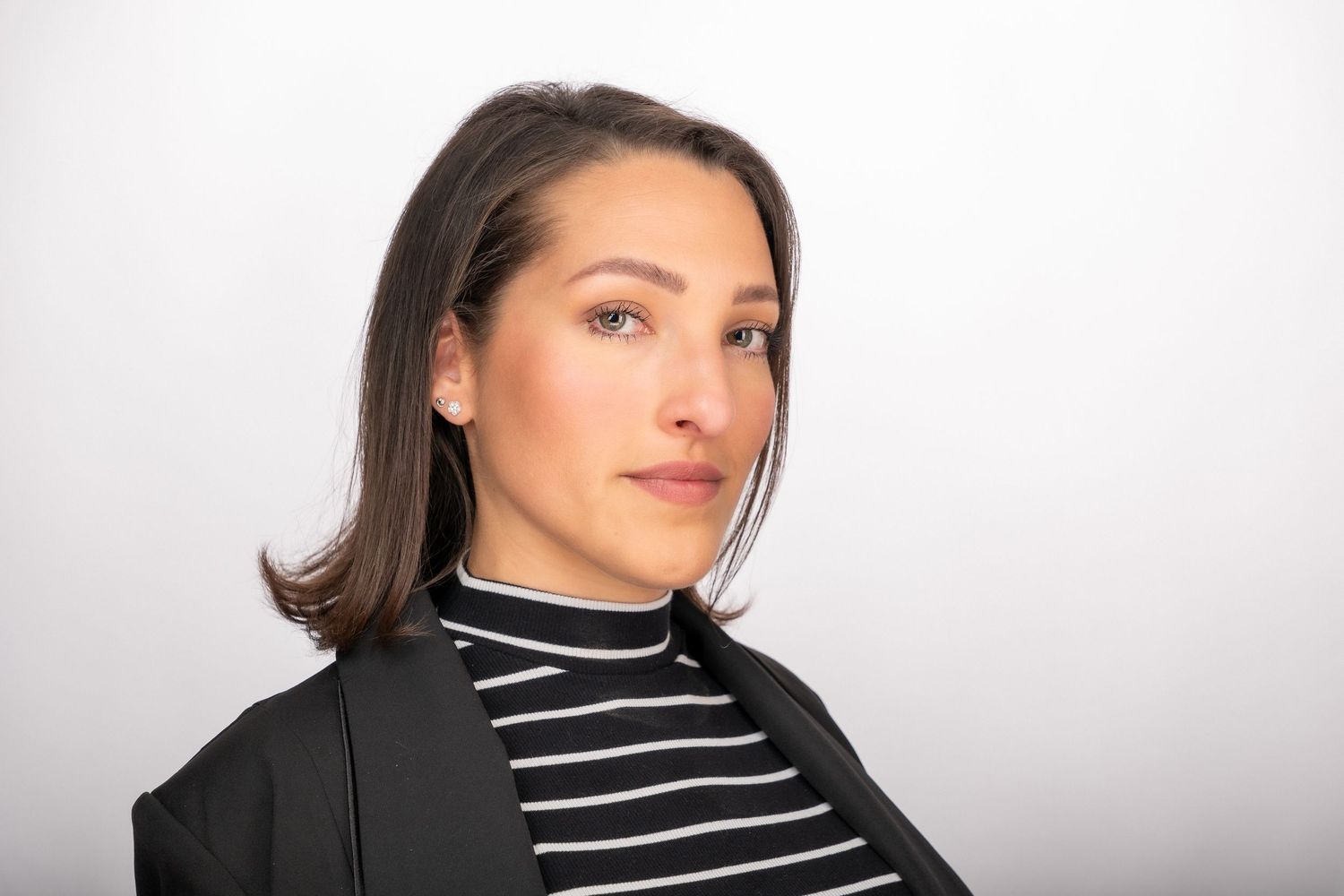
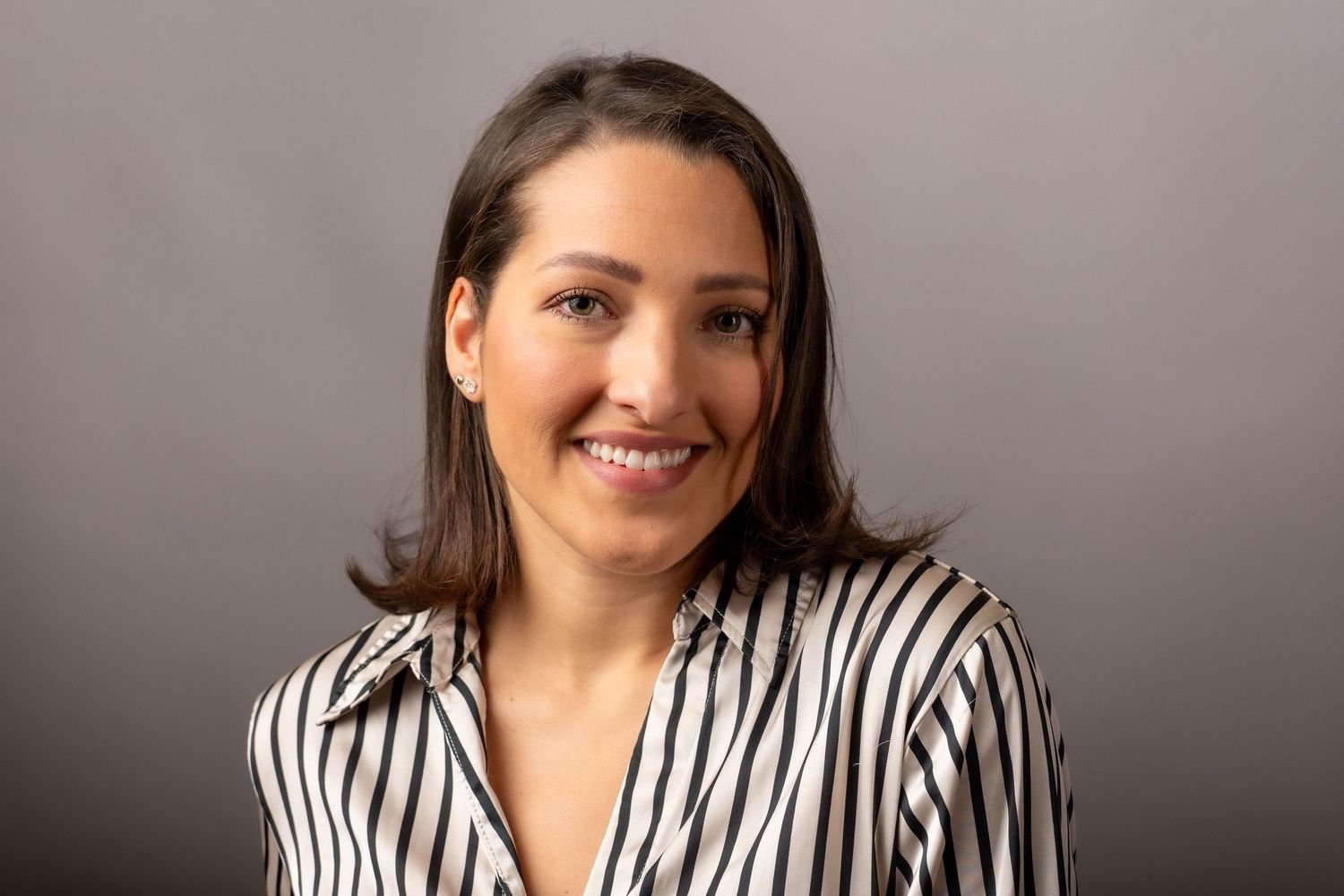
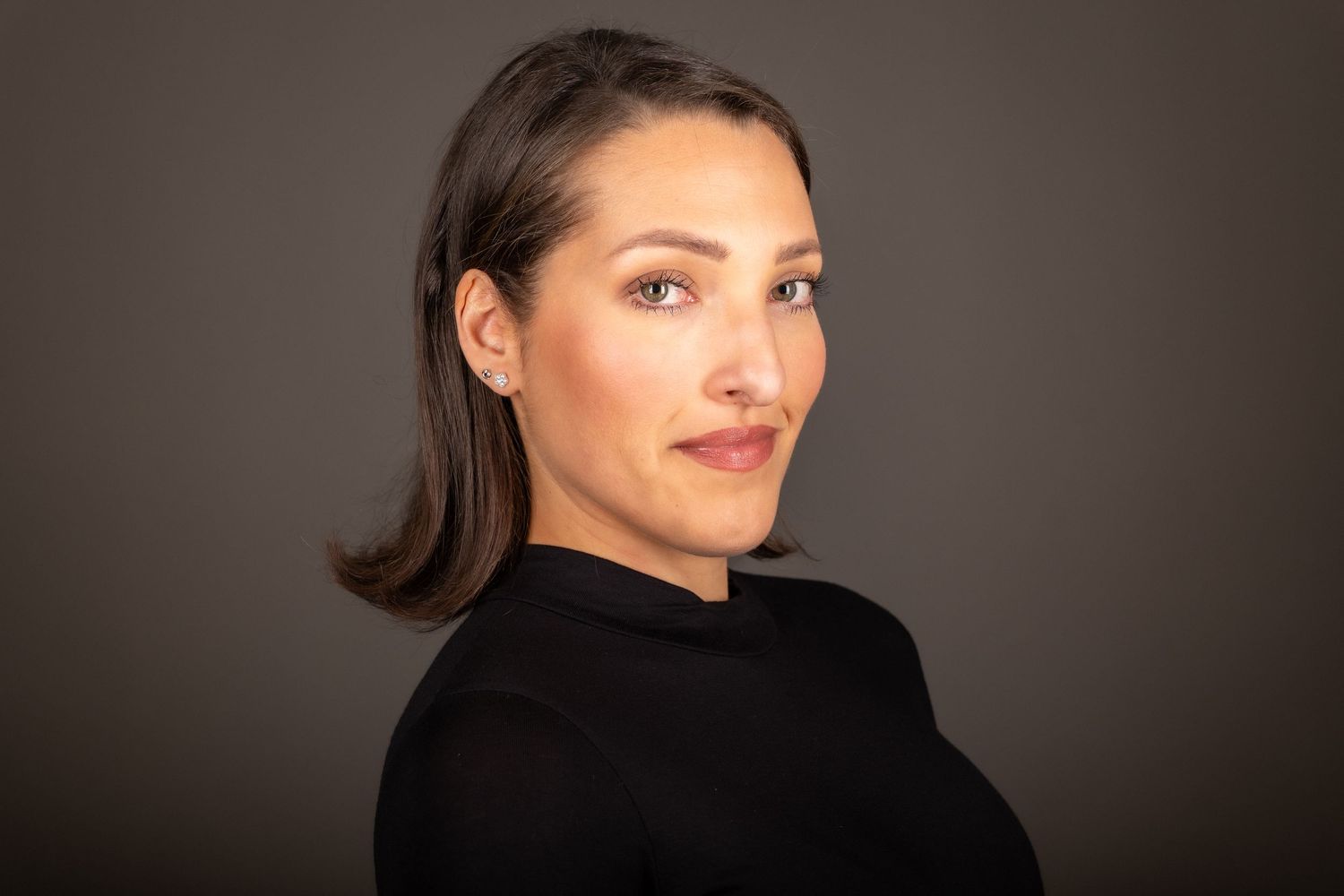
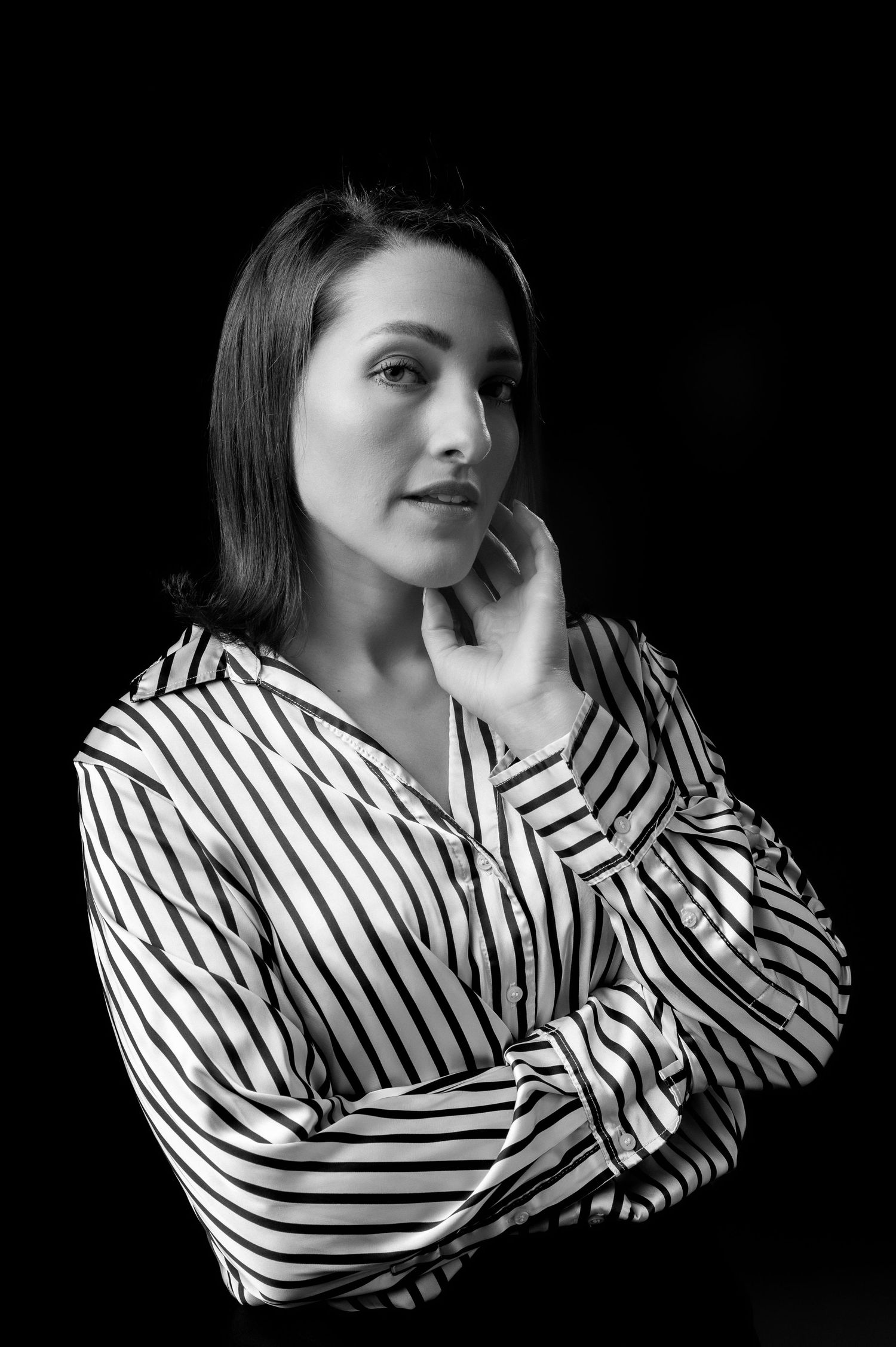
Shooting with the Leica in this environment was eye‑opening. Without colour information, every lighting decision becomes more deliberate. Highlights, shadows, and midtones take centre stage, and the Summicron lenses responded beautifully to the controlled studio light, though I forgot to extend the lens hood on the 50 meaning I had to bin quite a few images due to a misty lens flare look that looked like a light leak (some times this can look cool, but in this instance, it was a distraction). It pushed me to think more critically about contrast, falloff, and the sculptural quality of the face.
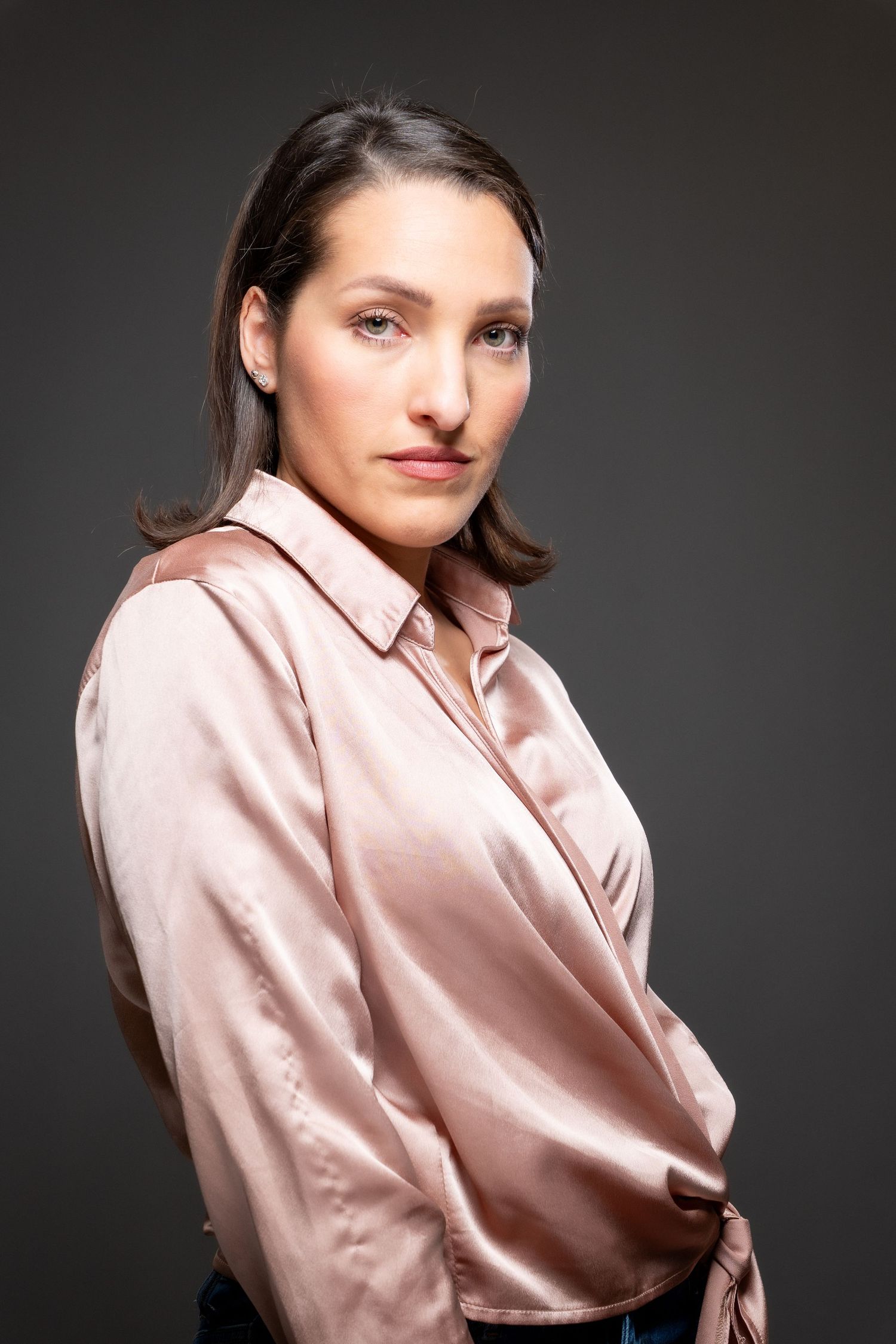
The Lumix S5II, paired with the Sigma 24–70mm, offered a different kind of flexibility. I could quickly adjust focal lengths to explore variations in composition and perspective, which was especially useful when refining poses for professional headshots and editorial‑style portraits. Reviewing images on the Lumix’s screen also helped me understand how the lighting translated in real time, which informed how I approached the Leica shots.
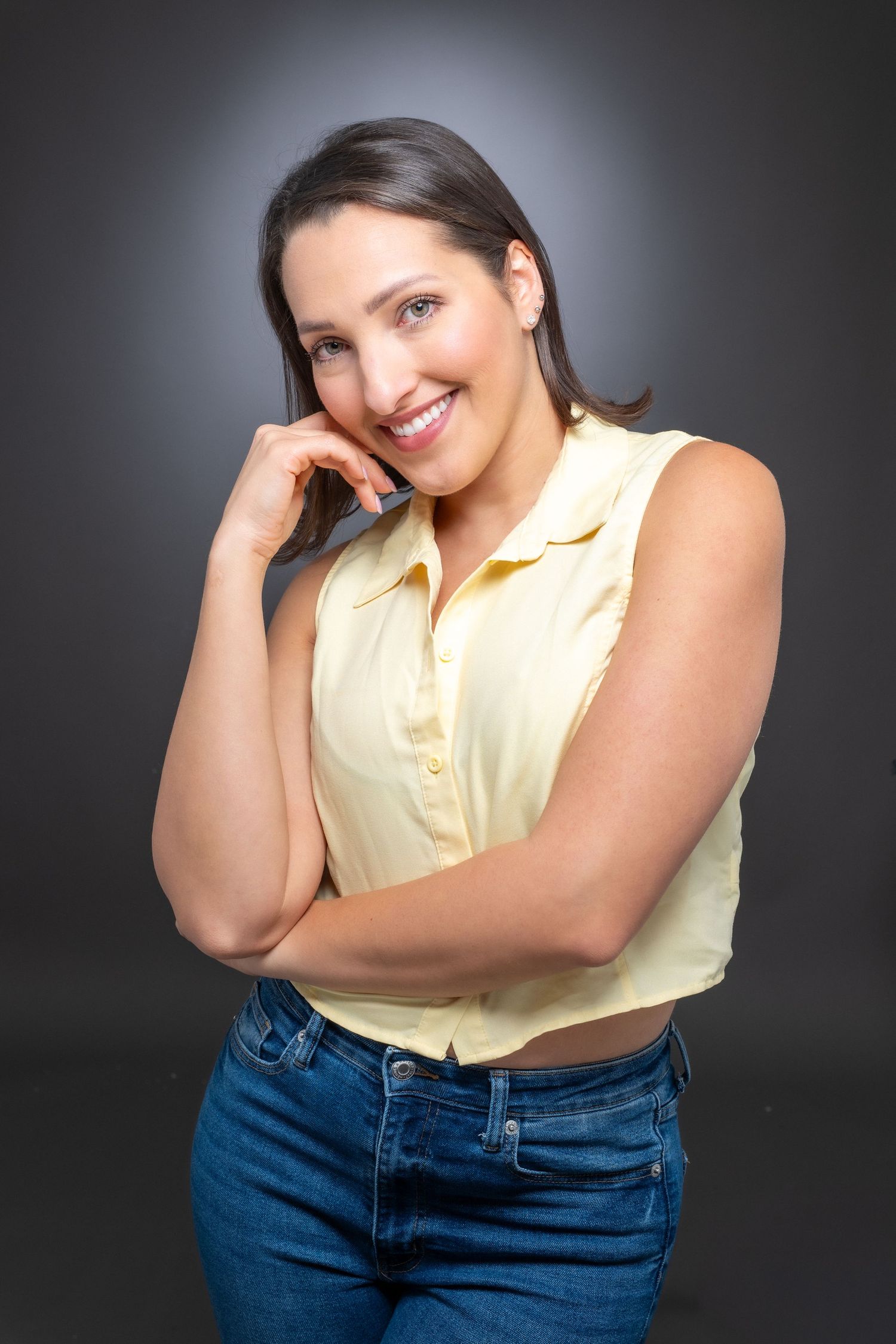
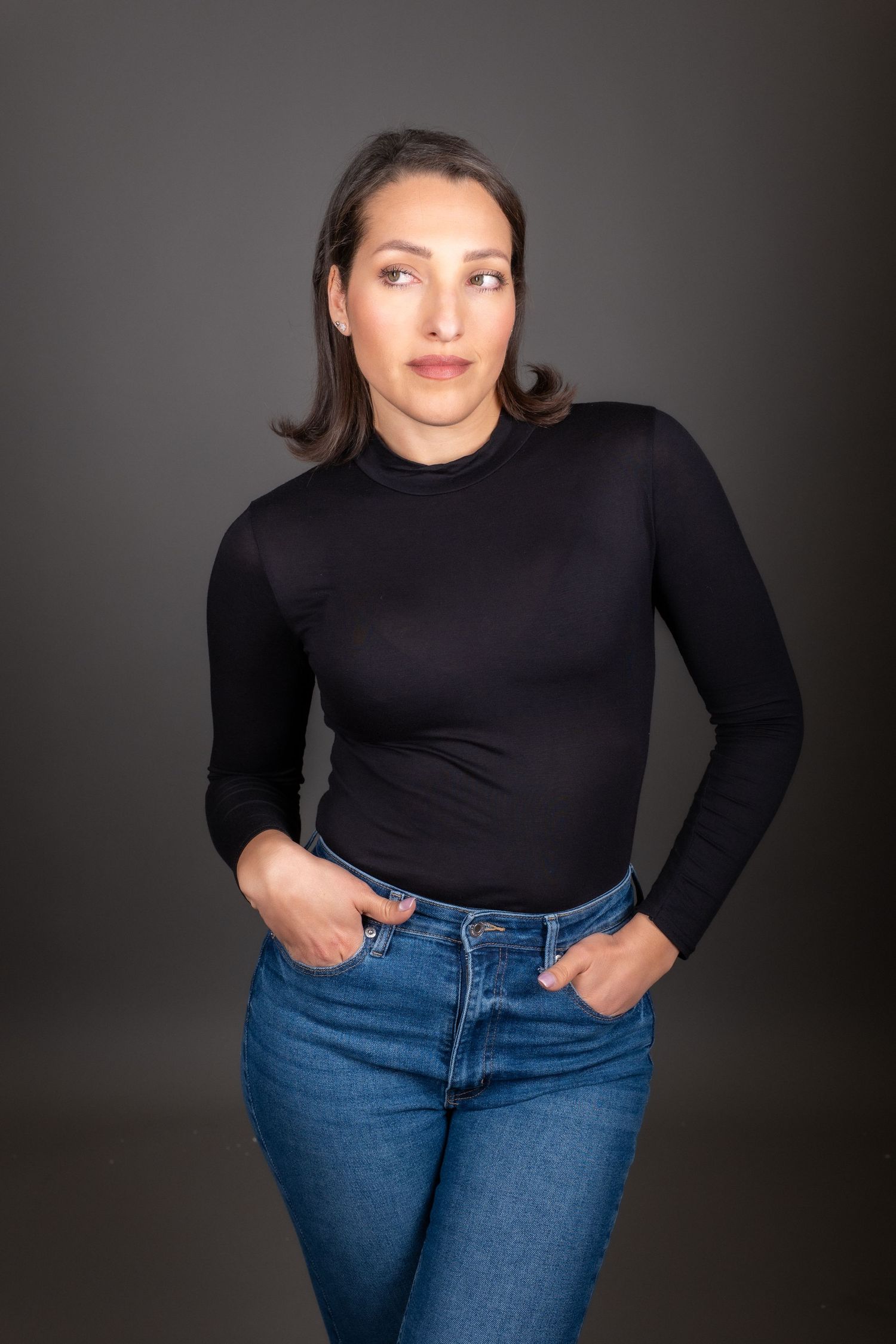
This combination, the precision and discipline of the Leica alongside the versatility of the Lumix, gave me a deeper understanding of how to adapt my workflow depending on the story I want to tell.
I left the workshop with a refreshed portfolio, sharper studio skills, and a renewed sense of confidence in the direction my photography is heading. More importantly, I left feeling inspired. Reminded of why I love this craft and excited to bring these new techniques, and this renewed sense of intention, into my client sessions.
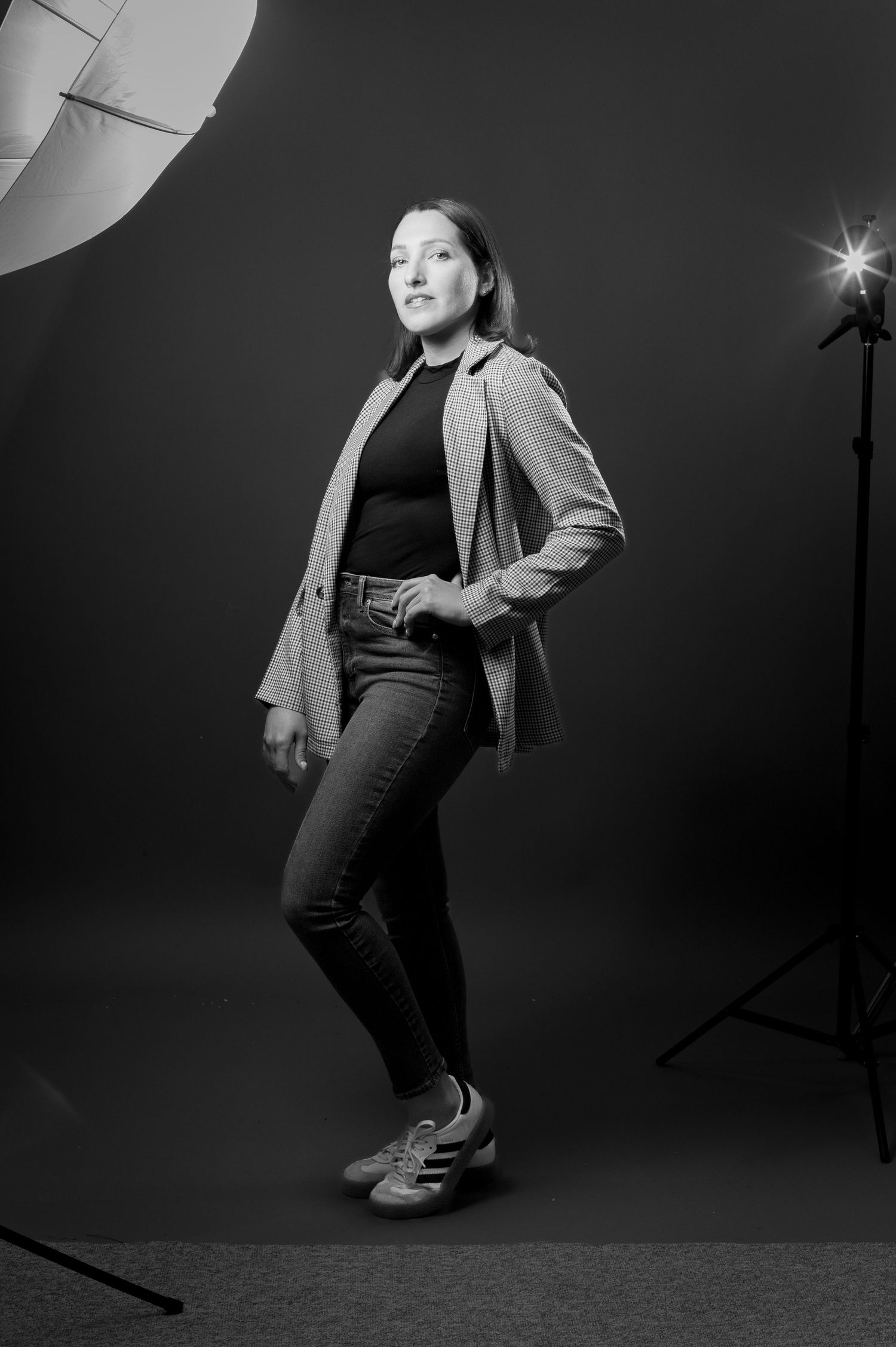
If you’re a photographer looking to strengthen your portrait work or reconnect with the craft, I recommend a session with Bob. It was a genuinely valuable investment in my growth and a meaningful step toward full‑time photography.
Bob Foyers, Foyers Photography
Mariana