August 29, 2026
IWM Duxford Flying Days: The Americans - 24th July 2026
- Editorial ·
- Events ·
- Journalistic ·
- Observational ·
- Reportage ·
- Travel
Written by: Daisy Symons
Photos by: Keith Symons
The first thing you notice at an airshow isn’t the aircraft but the sound; an intense rumble that builds and sweeps through the crowd like a tidal wave. And when those planes soar past, the sky doesn’t just feel endlessly big; it feels alive. Flying Days: The Americans is shaped by that sensation, reminding us where these aircraft came from and the World Wars they once flew in.
These aircraft are old, historic machines with origins in a completely different era, and seeing them still flying today is something that genuinely fascinates me and is why I’m so drawn to places like IWM Duxford. During my teens, I was part of the Air Cadets (2384 (Bushey & Oxhey) Squadron Air Cadets to be precise), and I got the incredible opportunity to take part in flying, adventure training, target shooting, and skill‑building activities. I really enjoyed all of it, and I feel like flying days have been rooted in me for a long time. All of this is why Duxford feels so special, not just for me but for all the other spectators too. I wanted to photograph the aircraft themselves and the atmosphere around them to capture all of that specialness; the energy, the nostalgia, and those smaller moments that make aviation feel close to my heart.
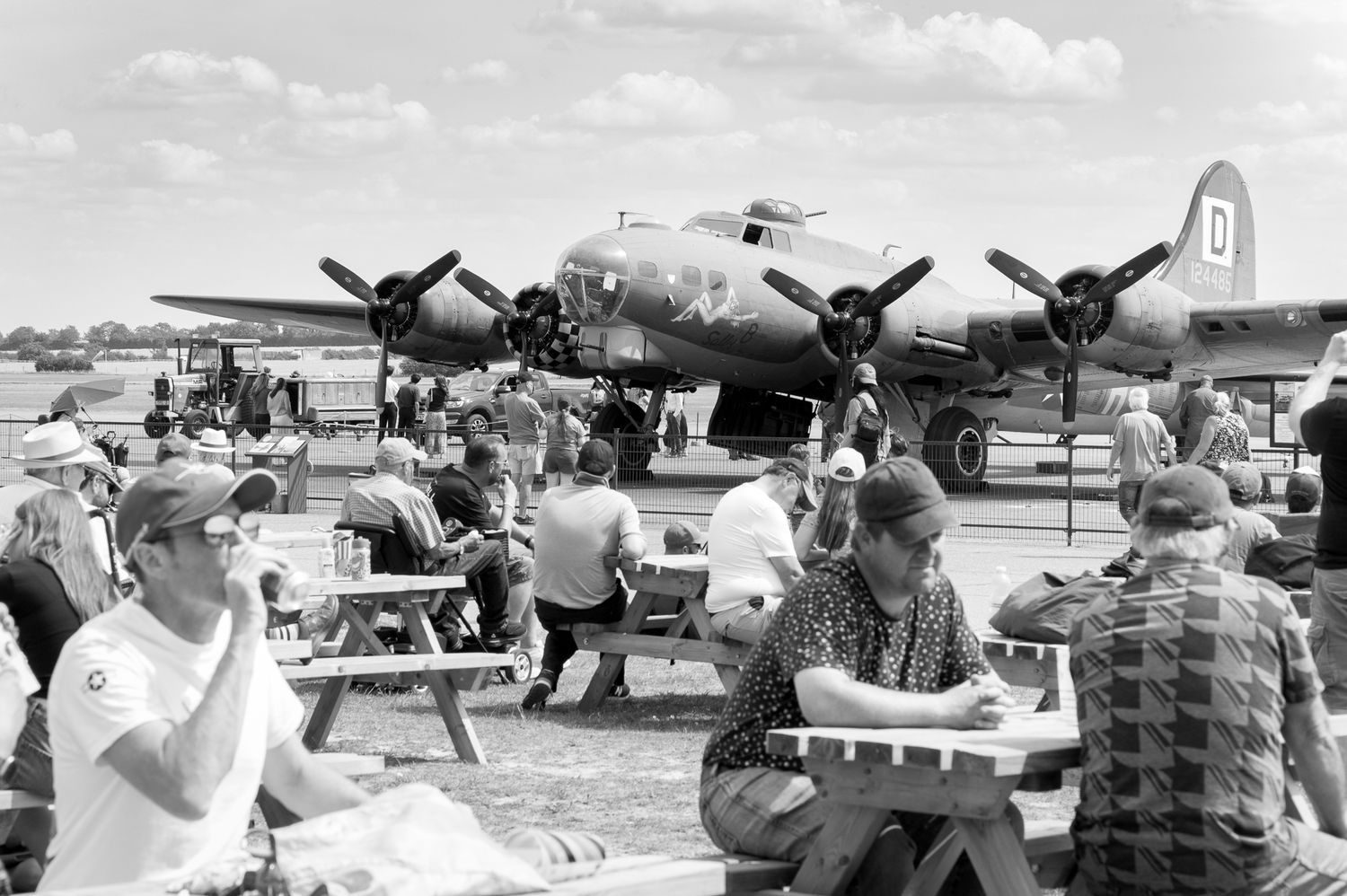
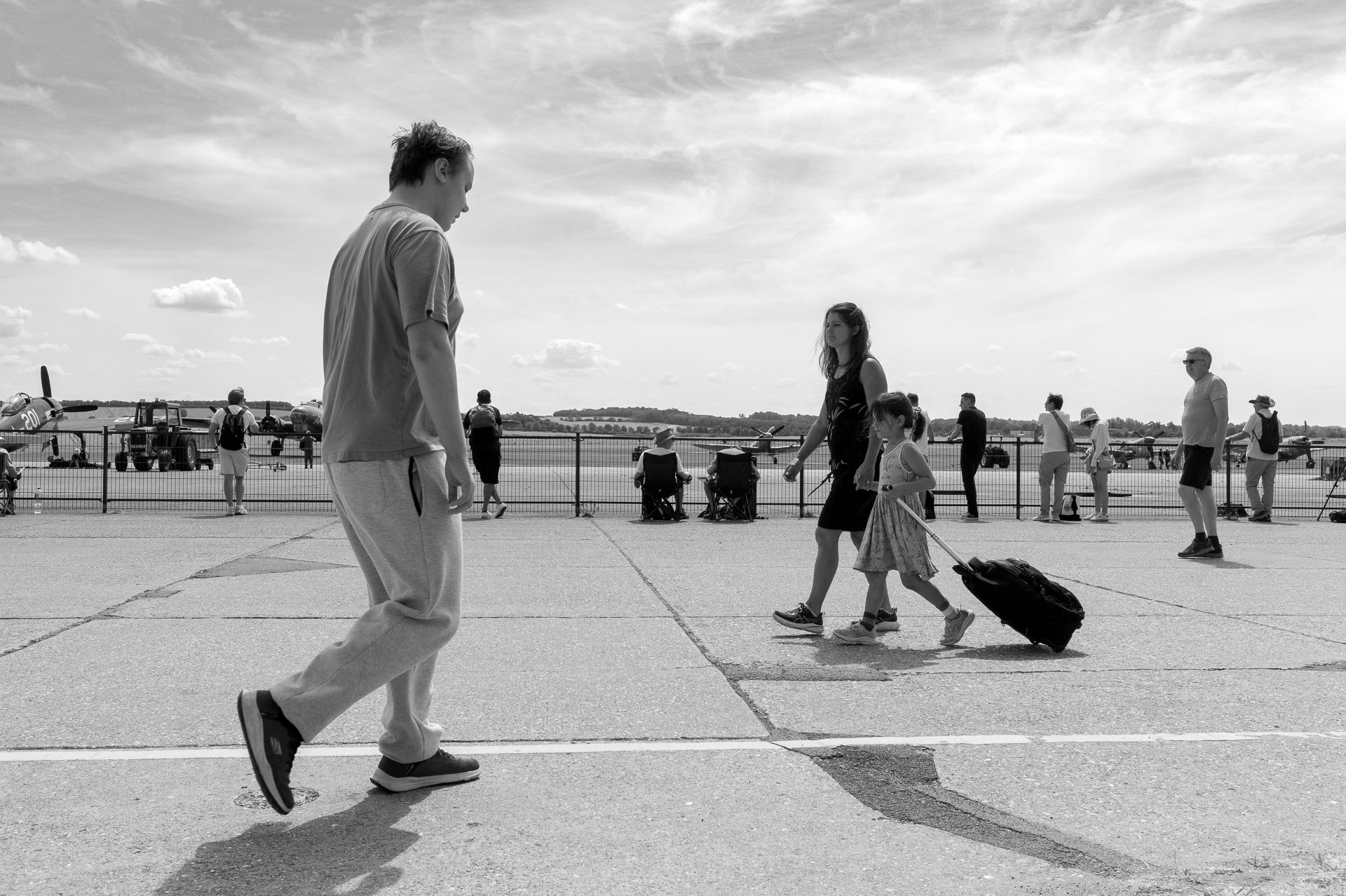
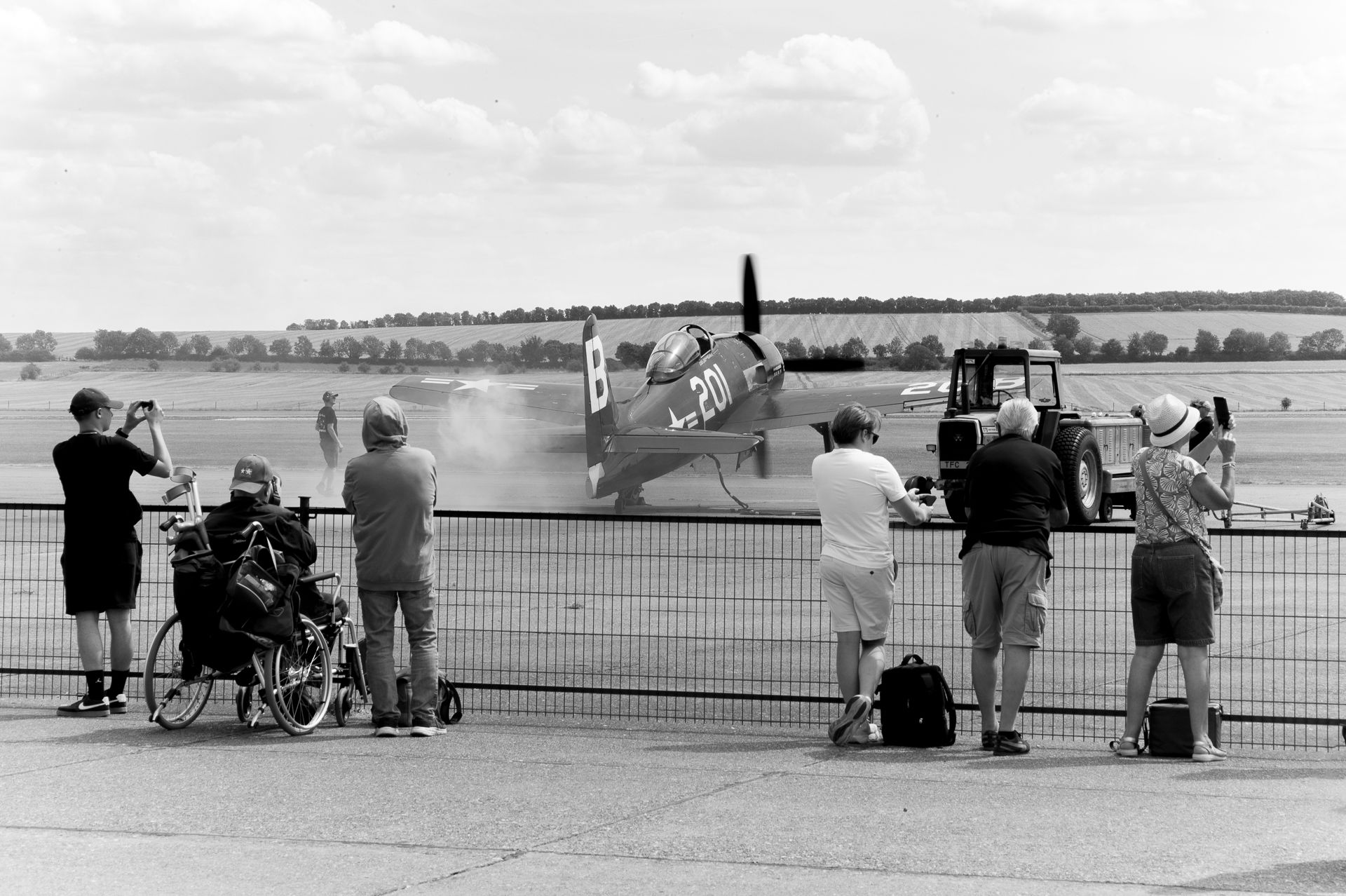
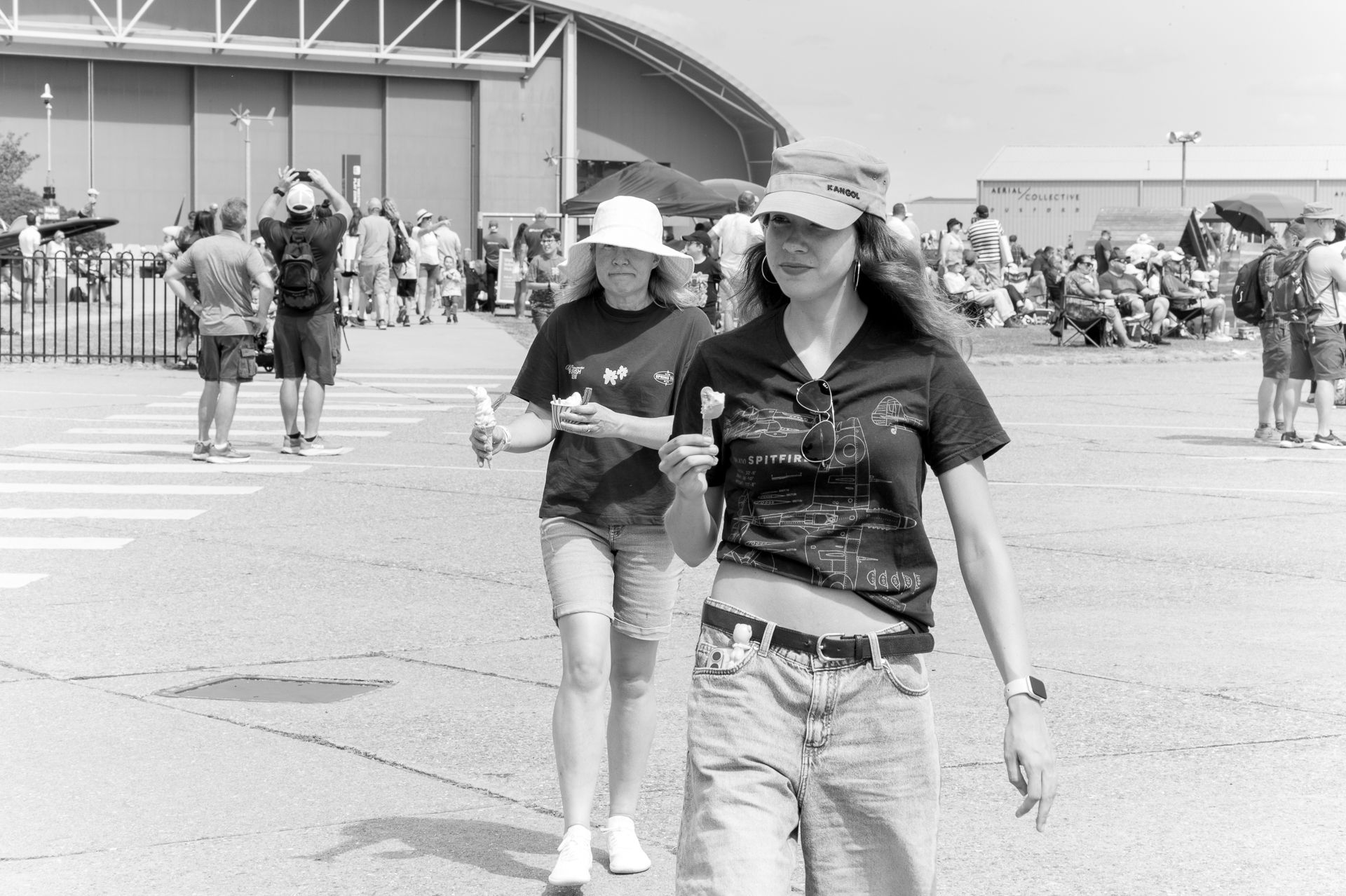
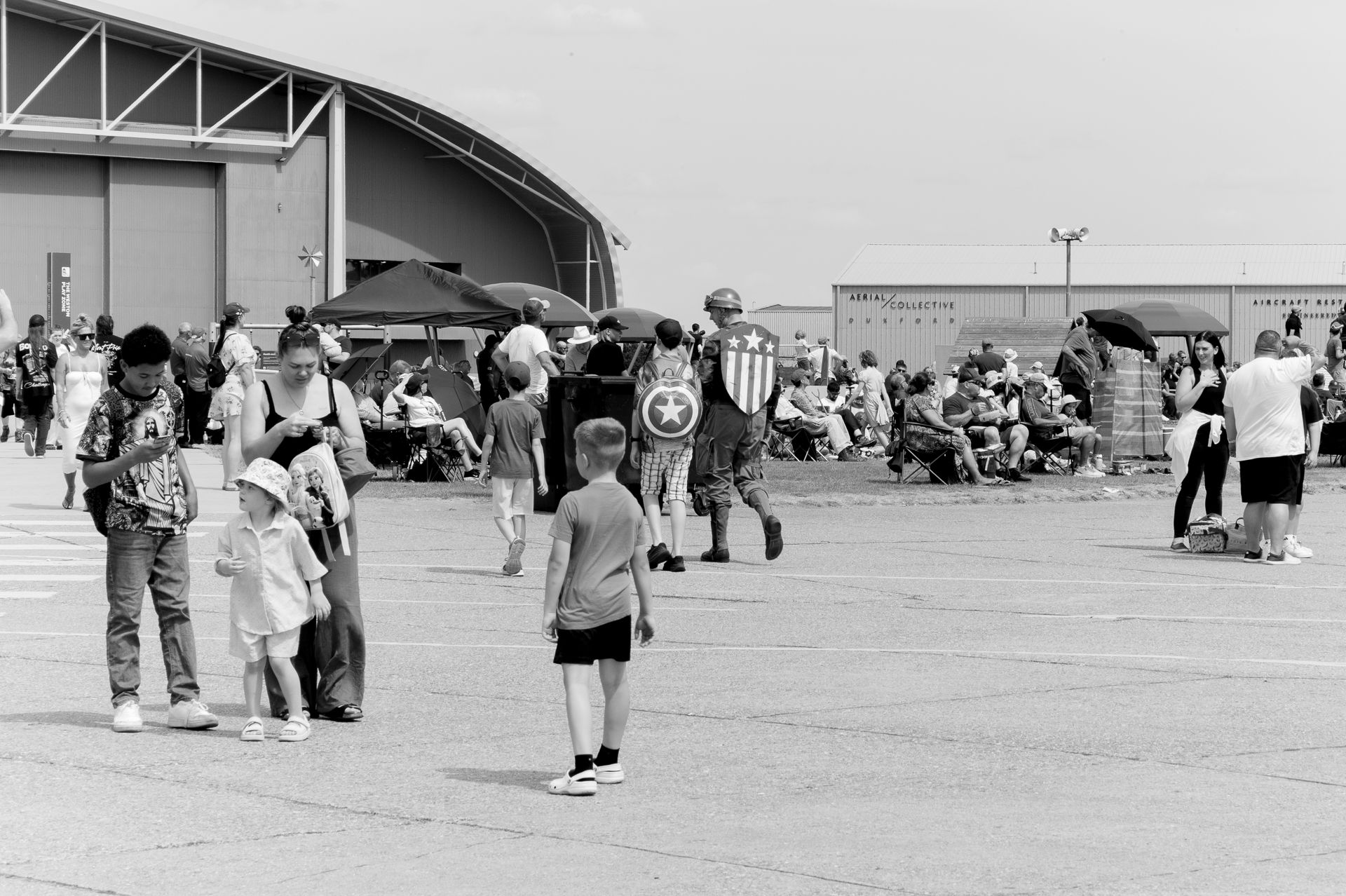
I don’t just solely focus on the aircraft. Duxford is much more than the planes they fly, it’s also about the people that it brings together. From young children aspiring to be pilots, to adults who are remembering those years in their own way. The crowd is very much a part of the story too. Some even dress up in vintage uniforms to look the part. Families come together and share the day out. The huge crowds on their own show just how powerful the event is every time. People cover the grounds from the top to the bottom of the airfield; they line the fences, set up foldable chairs, enjoy picnics, queue for beers, food and rides, their voices getting drowned out by the thundering hum of aircraft engines waiting to get in the air. It’s truly an astonishing sight to see, and so I capture the candid moments too - the joy it brings to people’s faces.
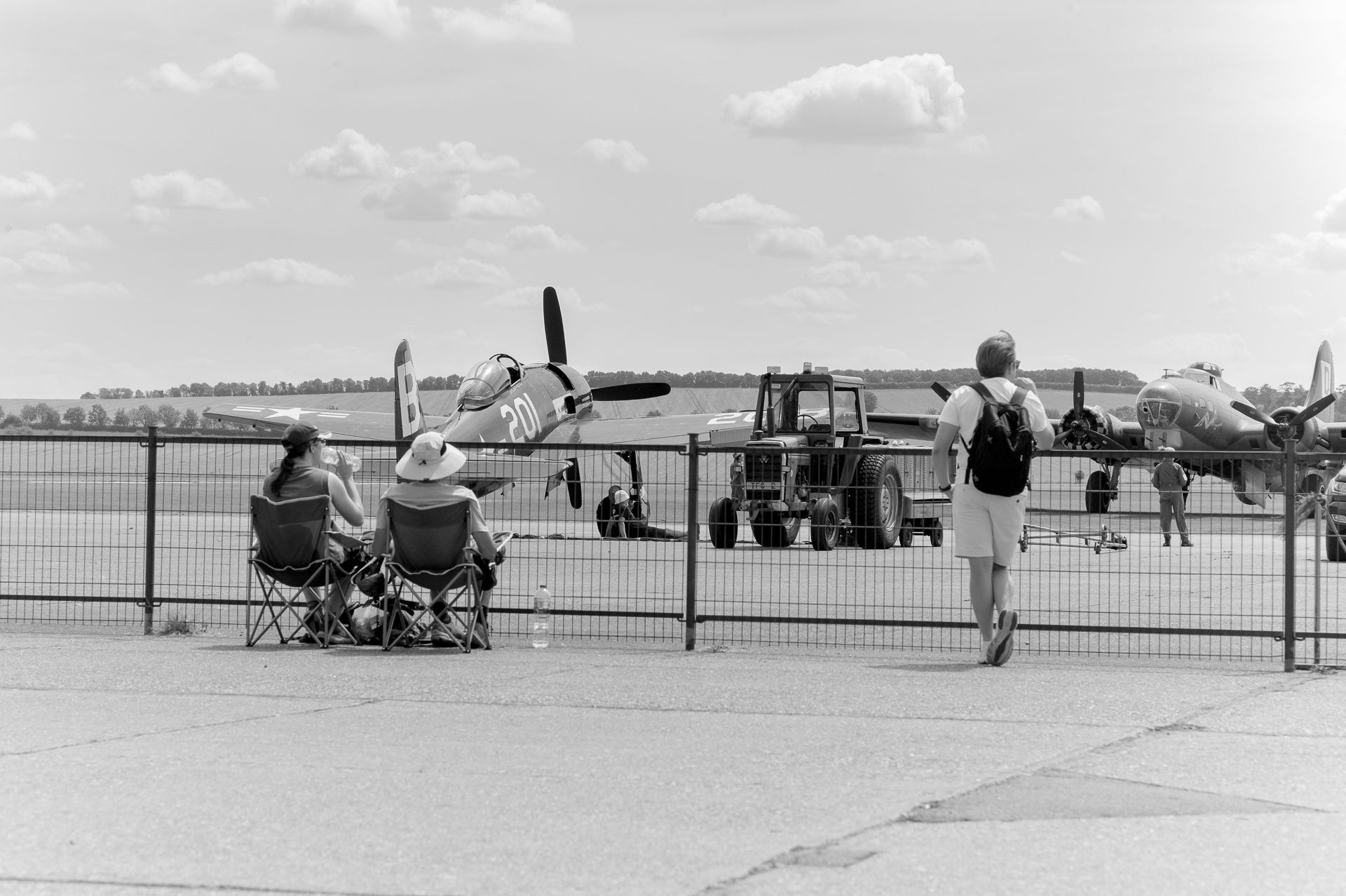
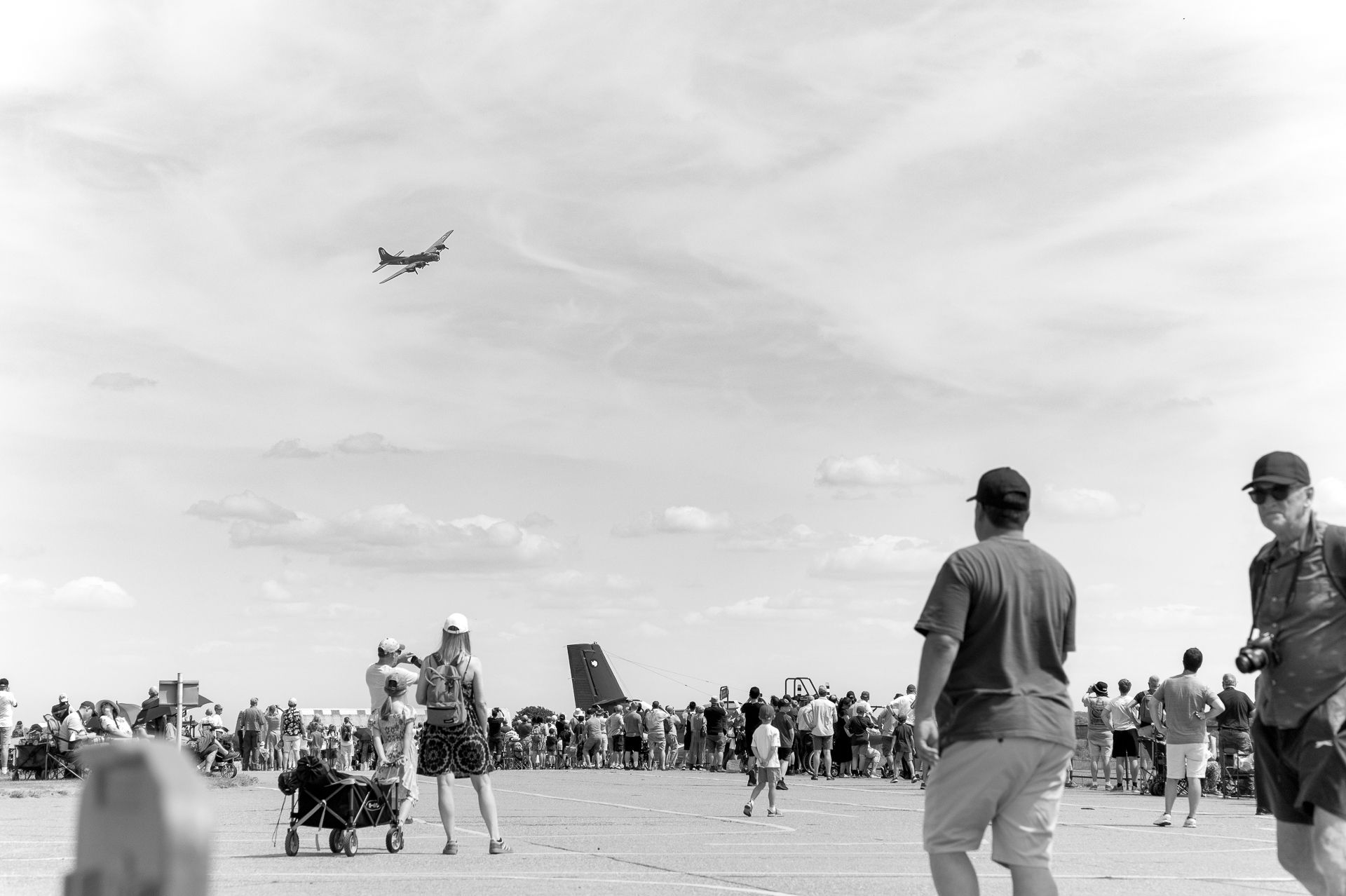
The rush of take‑off fills the atmosphere with excitement and awe. It’s the time when the aircraft’s wheels spin a little faster, the engines rise, and finally the wheels lift off the ground — just like the GRUMMAN F8F‑2 Bearcat and the Boeing B‑17F Flying Fortress in some of my images. These 70‑ to 90‑year‑old planes haul themselves into the air, putting on an impressive show even before they’re airborne.
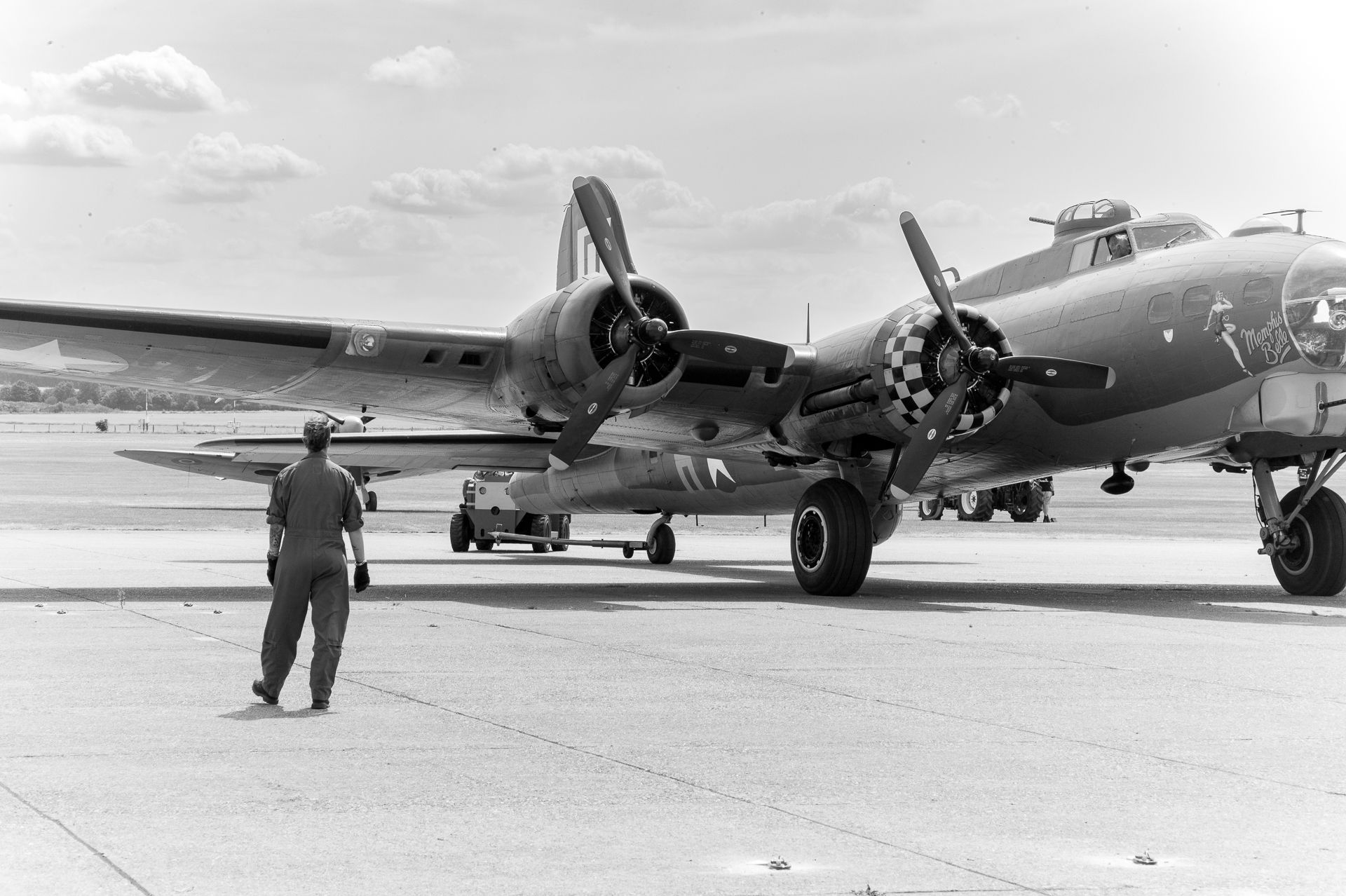

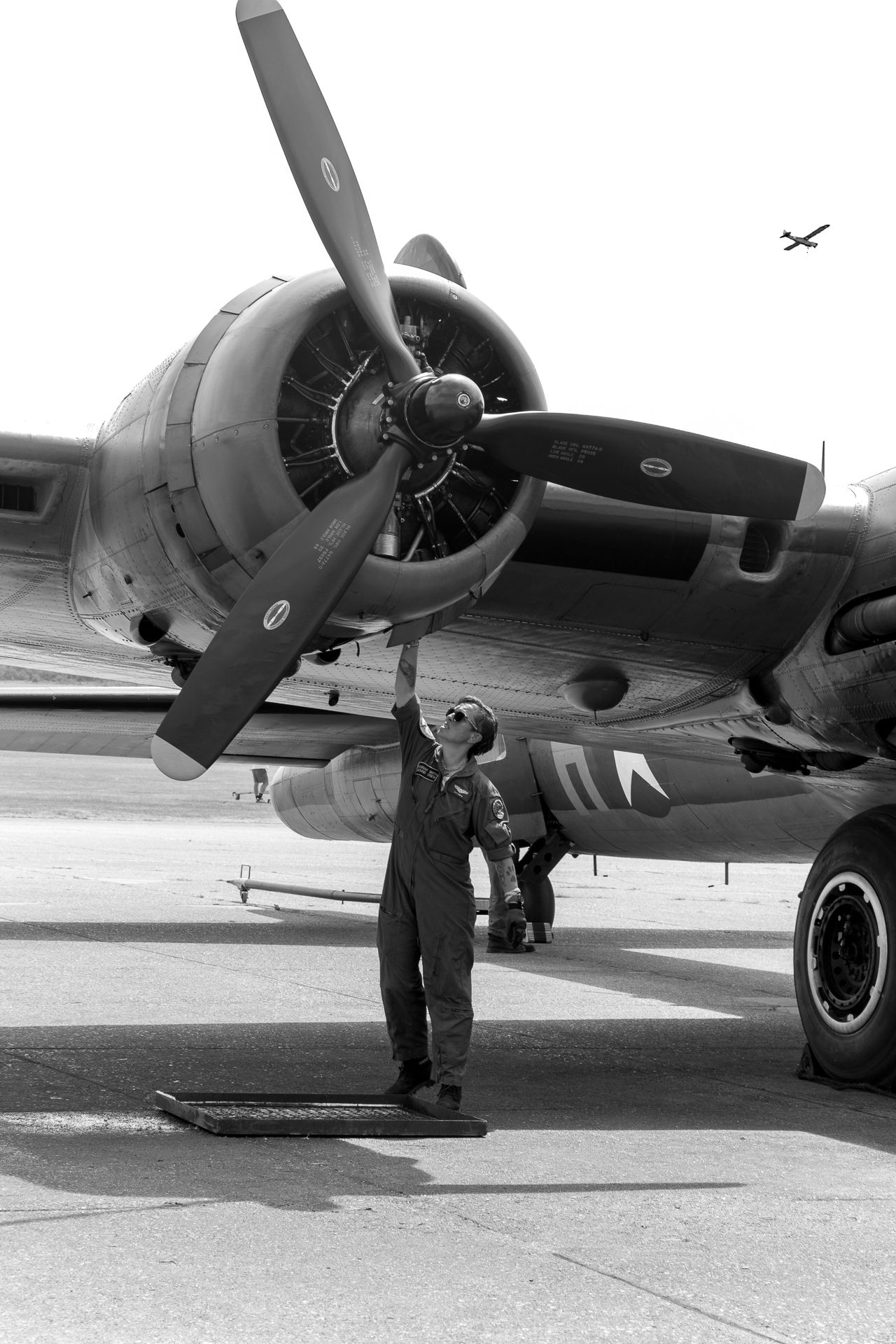
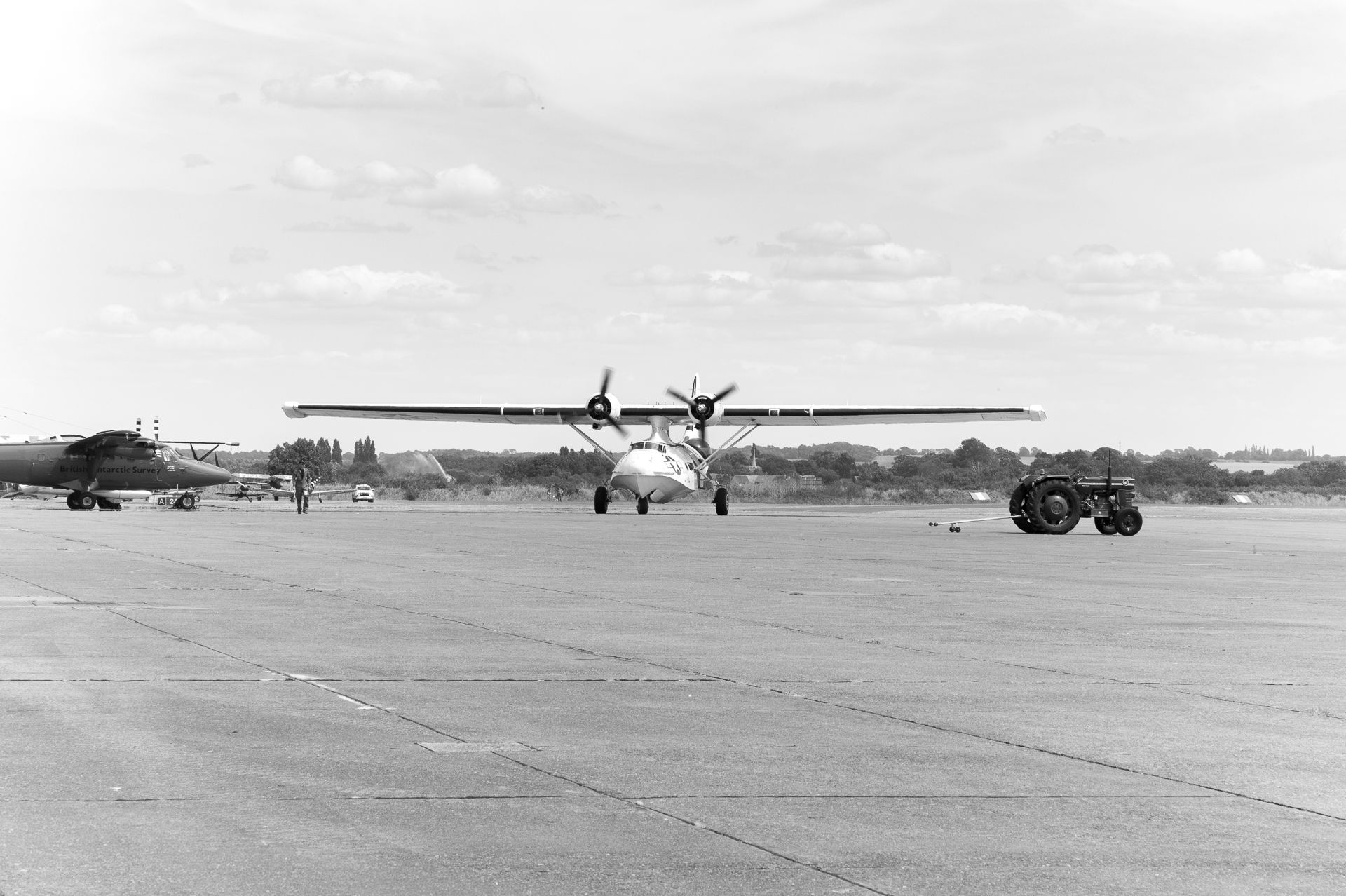
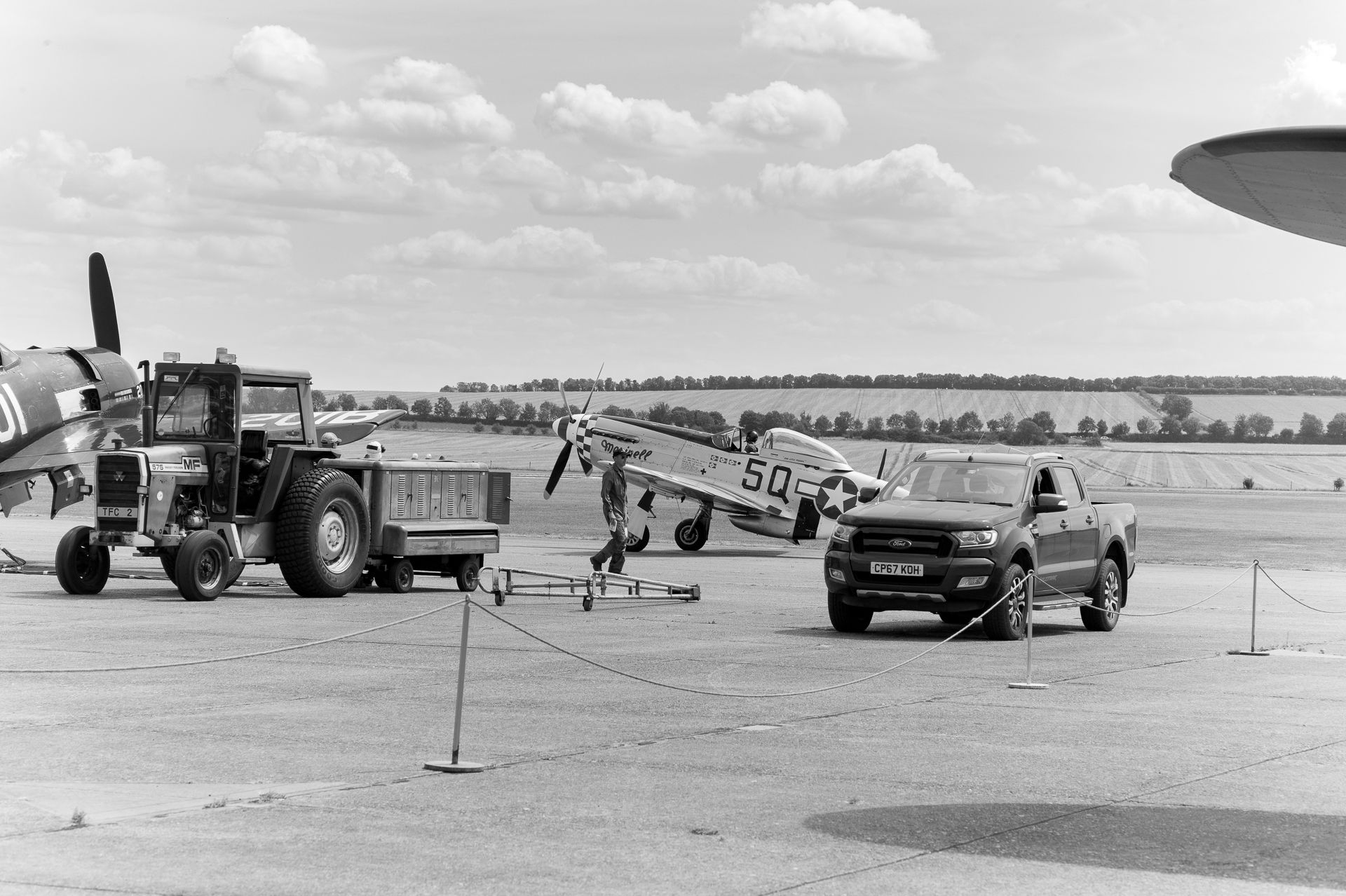
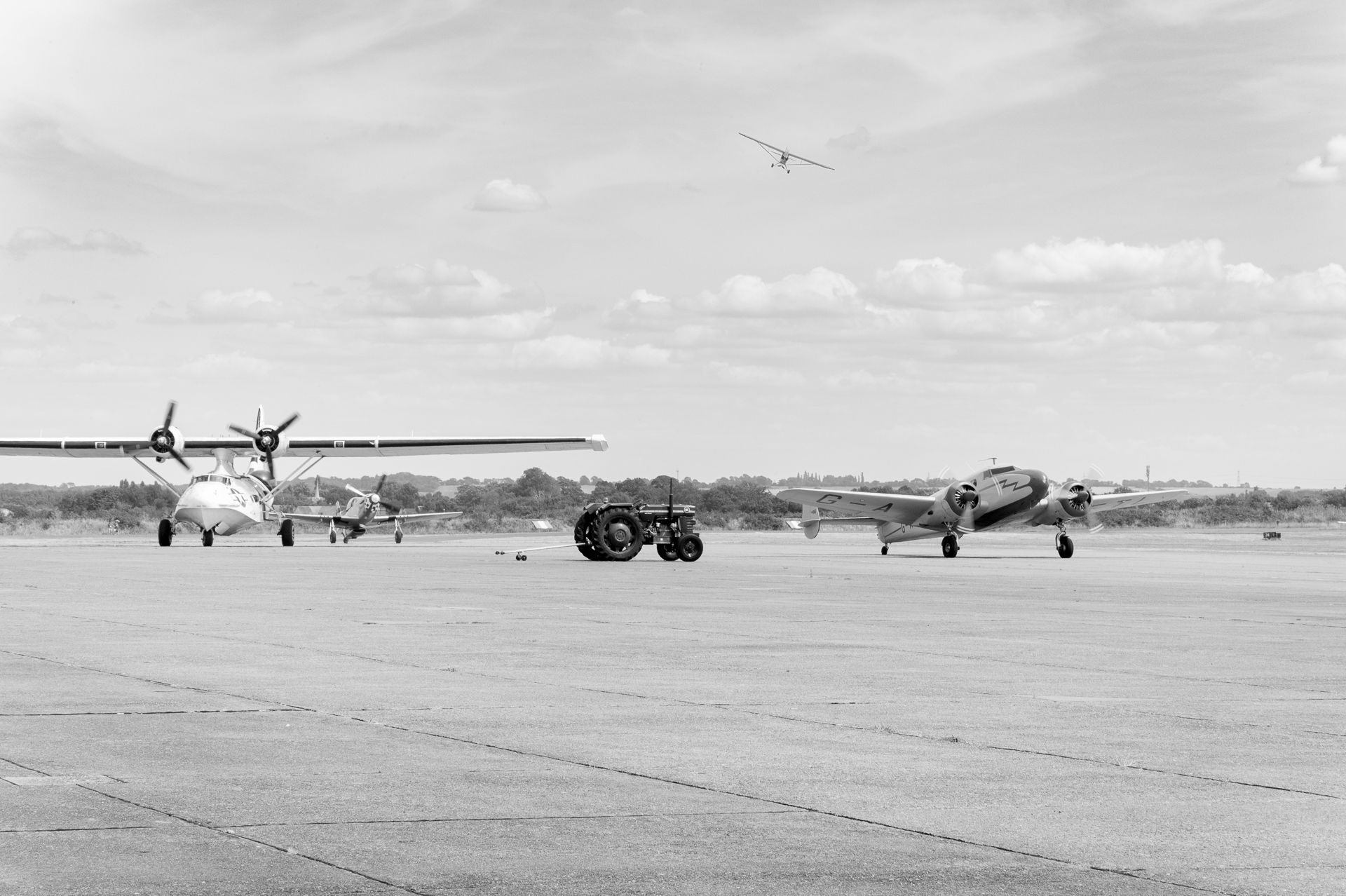
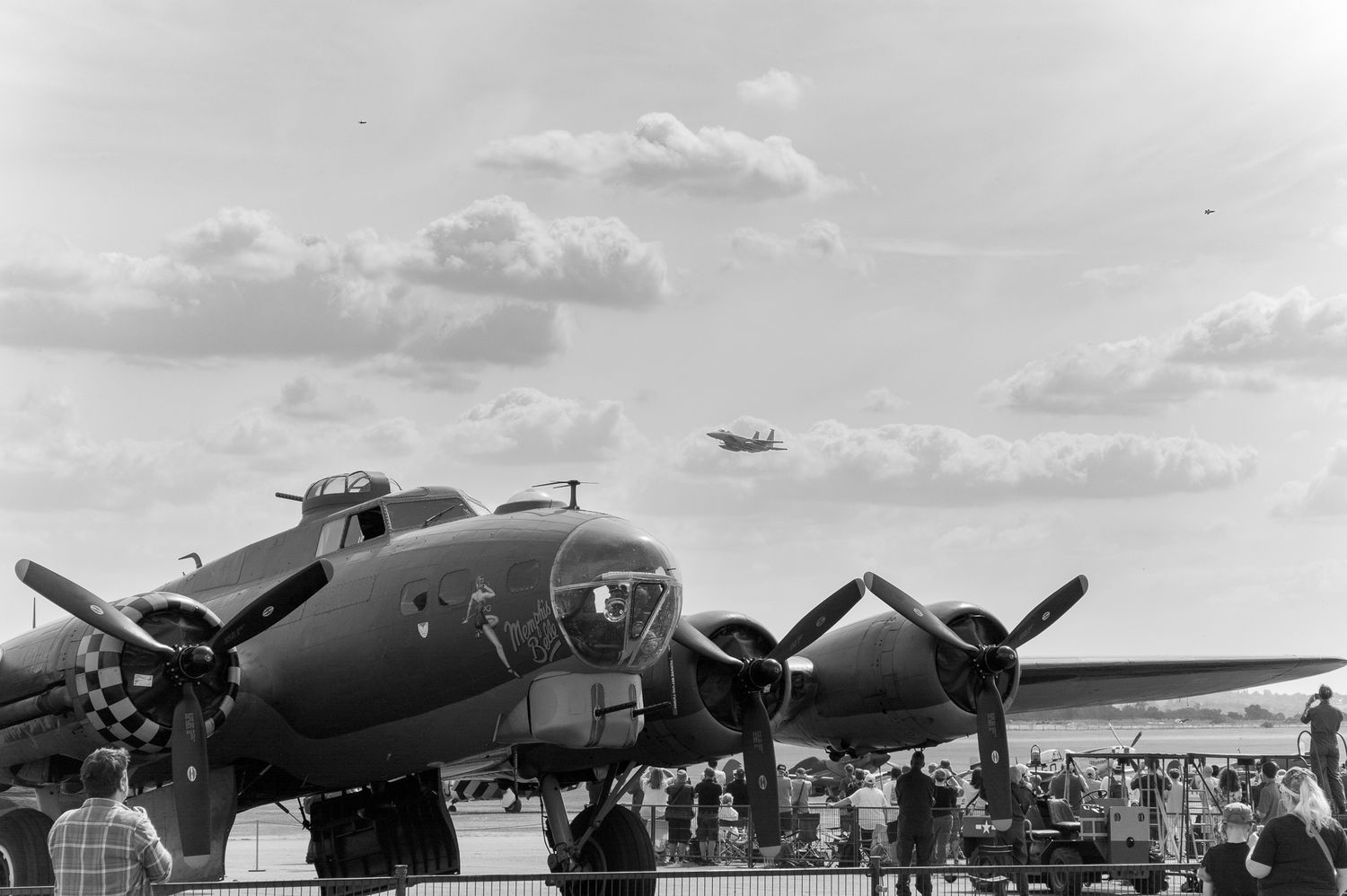
Once they’ve taken off, they fly away from the people gazing up at the sky and use the airspace beyond the airfield to turn around, preparing to soar past in the grandest way. It’s loud, and the roar hits each and every person on the ground right in the core. The wind picks up, carrying that intensity through the air as they swoosh by, turning on their sides to reveal the body’s of those aircraft used, moving together with so much beauty and precision, it almost doesn’t feel real. And then there are the modern aircraft like the Lockheed Martin F‑35A Lightning II; the ones that stun people into silence and make the crowd clap ferociously when it’s all over. These flying moments are the heart of the day, and I wanted my photos to capture that feeling: the movement, the noise, the stories, and the presence Duxford’s aircraft has as they come alive above us.
The GRUMMAN F8F‑2 Bearcat - an American single-engined, carrier-based, fighter aircraft introduced in late World War II - is plane that’s broadly considered one of the best piston-engine fighter planes ever built. It could climb at nearly 4,800 feet per minute; though the war ended before it reached combat. While the Boeing B‑17F Flying Fortress was one of the first U.S. Army Air Forces heavy bombers to complete 25 combat missions over Europe and return its entire crew safely to the United States. Watching these aircraft fly today makes the past feel close. It turns history from something distant into something that’s almost unfolding right in front of your eyes. It puts their size and the amount of power they had into perspective when you think about the conditions they used to fly in during the war.
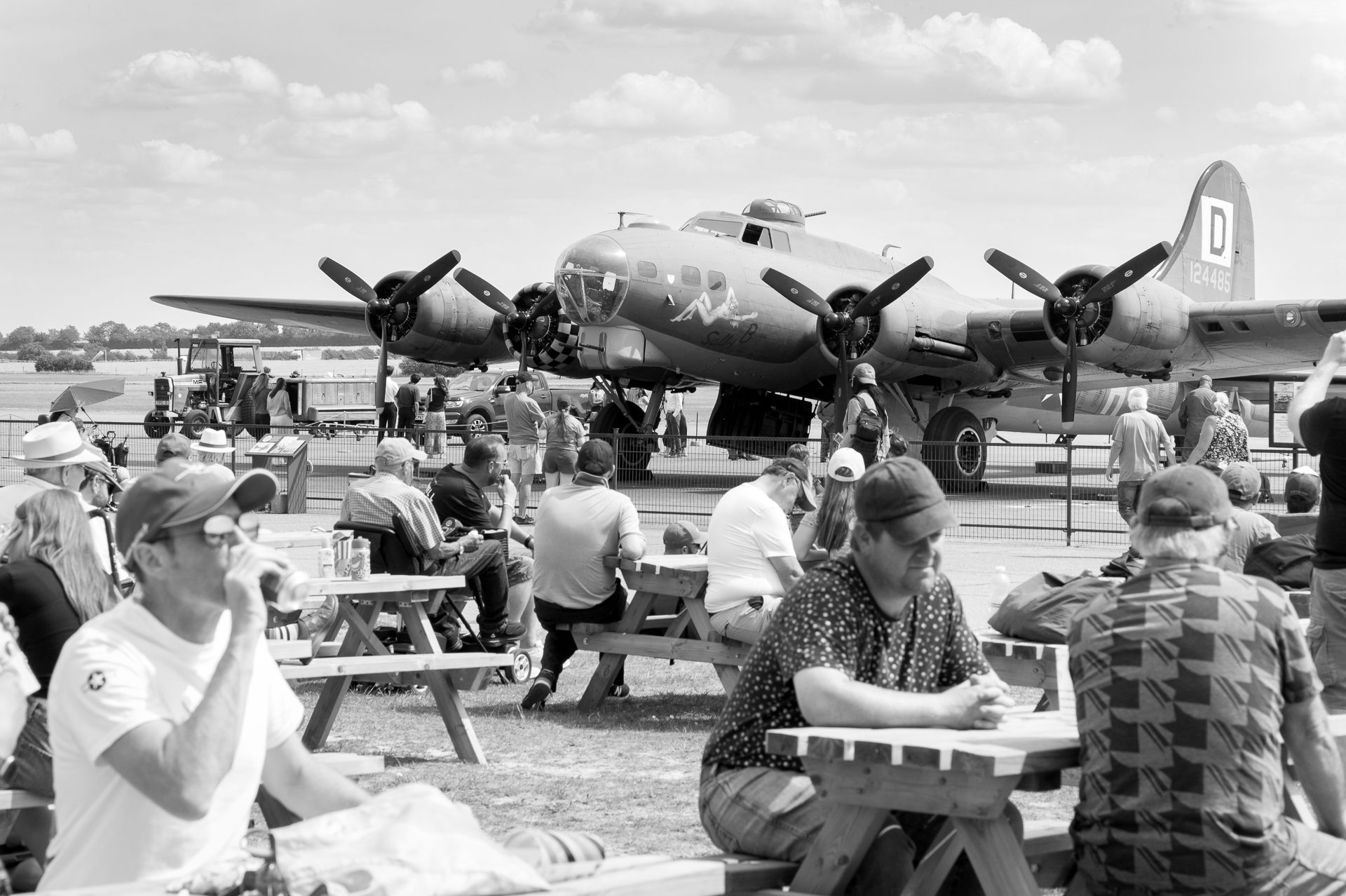
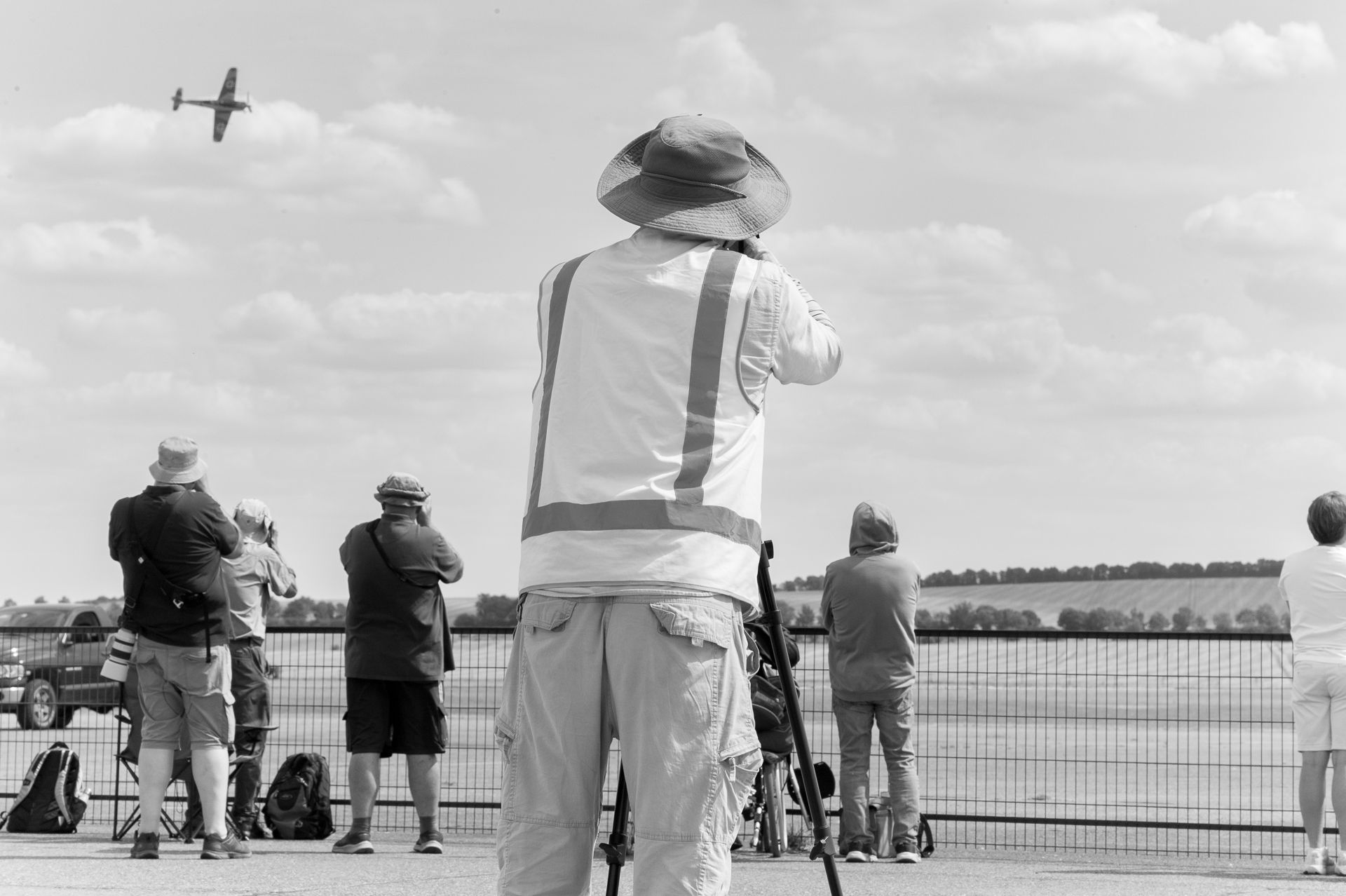
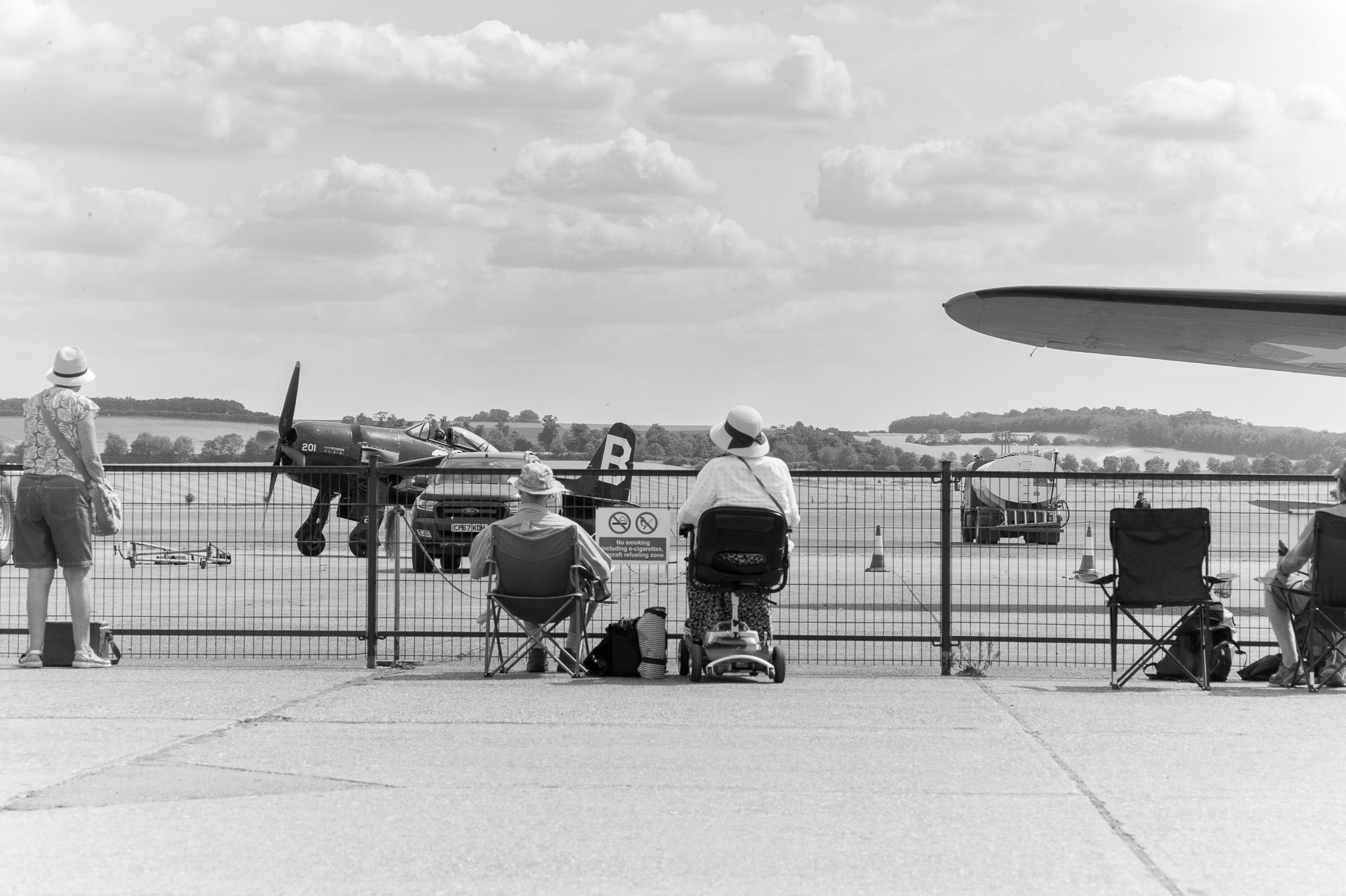
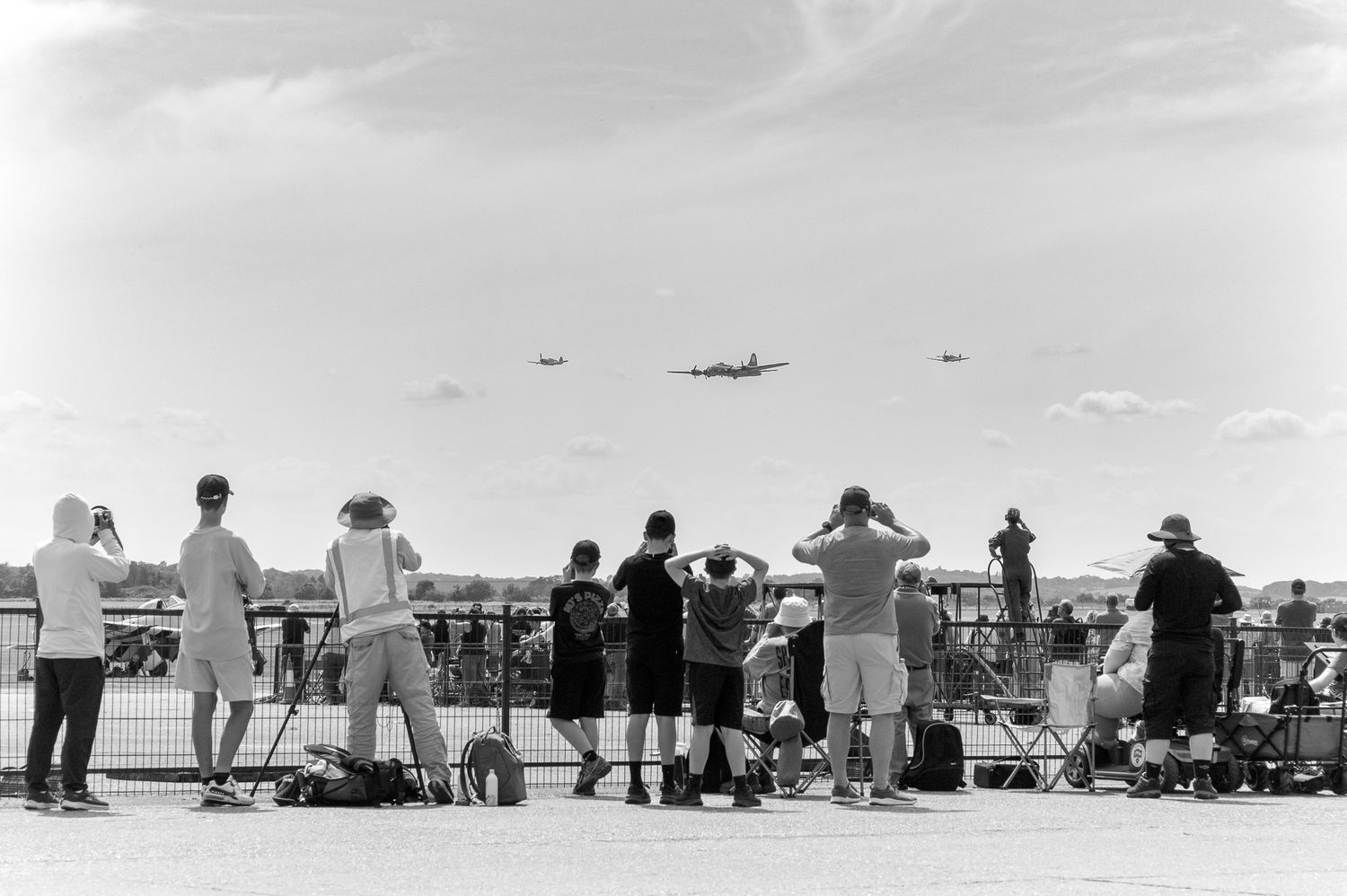
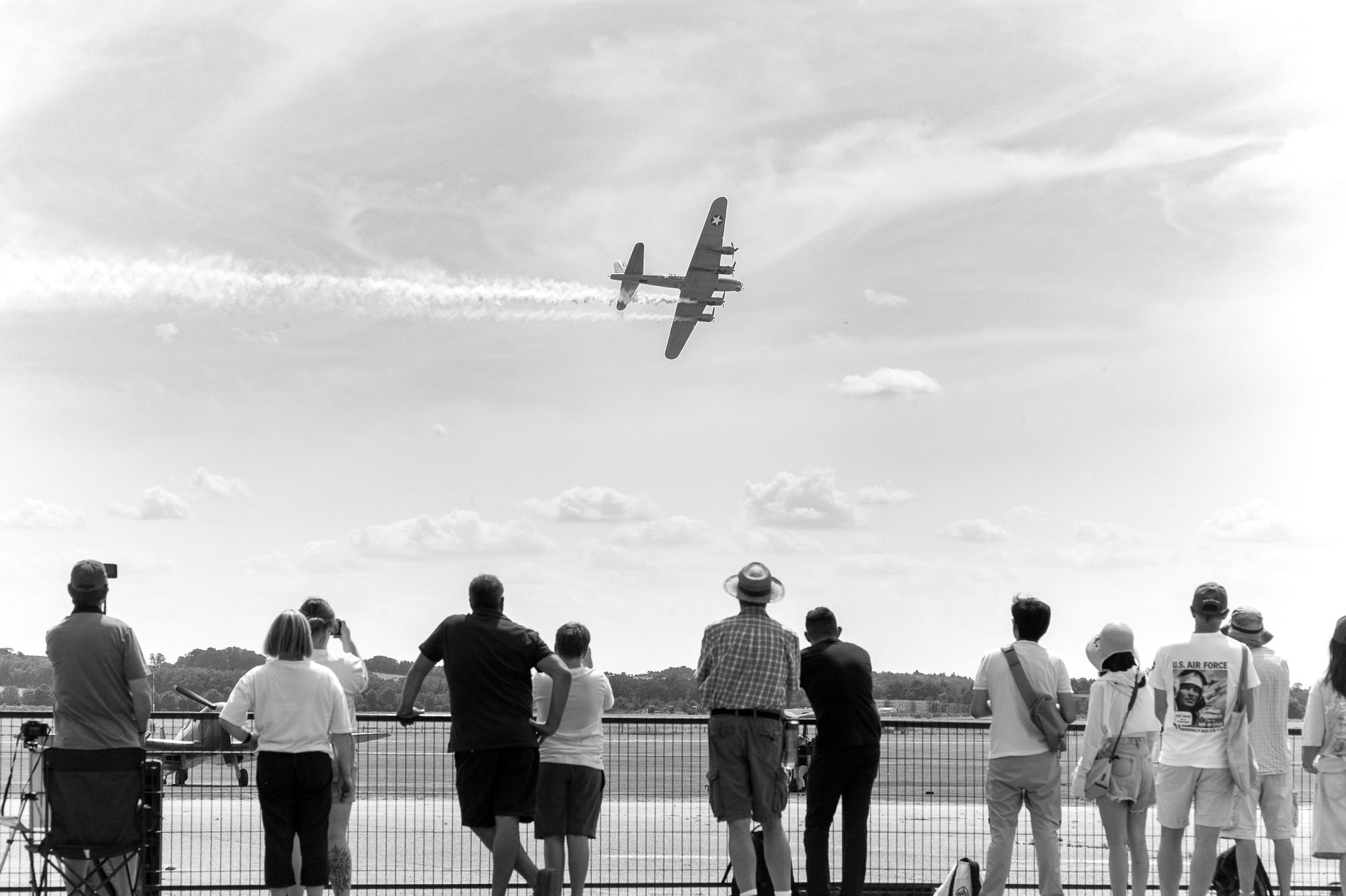
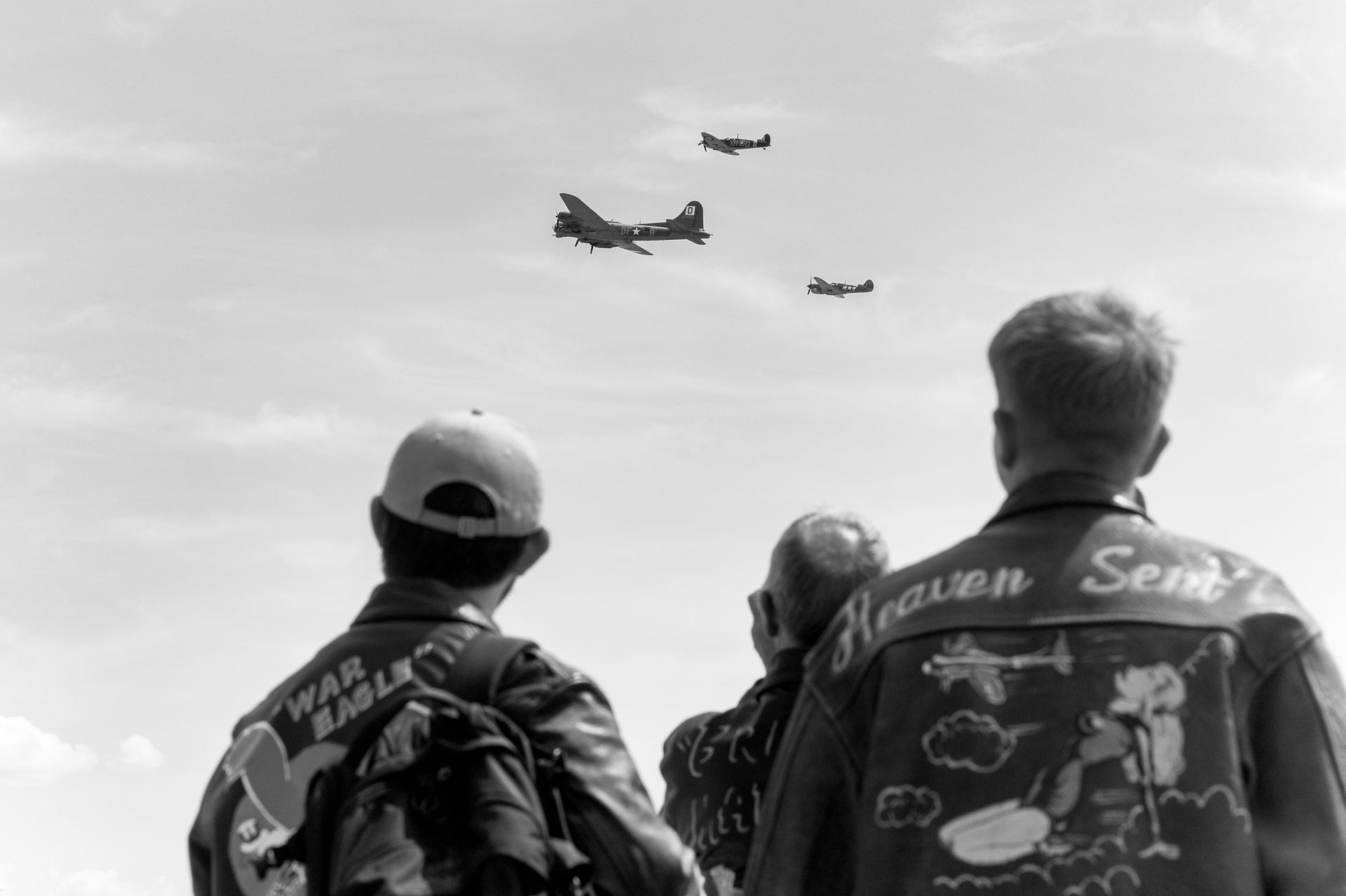
Building on that sense of scale, especially when you compare the aircraft to the atmosphere of the airshow itself, one of my favourite photos is the one capturing the formation overhead and the three spectators (below) in the bottom third of the image looking up. By placing the three spectators in the bottom third of the frame, the composition emphasises their relationship to the formation overhead, creating a deliberate juxtaposition between human and machine. What strengthens this contrast is the nature of the spectators themselves: they’re not passive viewers but enthusiasts; identifiable through their posture, their attention, and their vintage bomber jackets. Their absorbed stance adds emotional weight to the image, showing how the atmosphere of an airshow isn’t just shaped by the aircraft but by the people who come to witness them
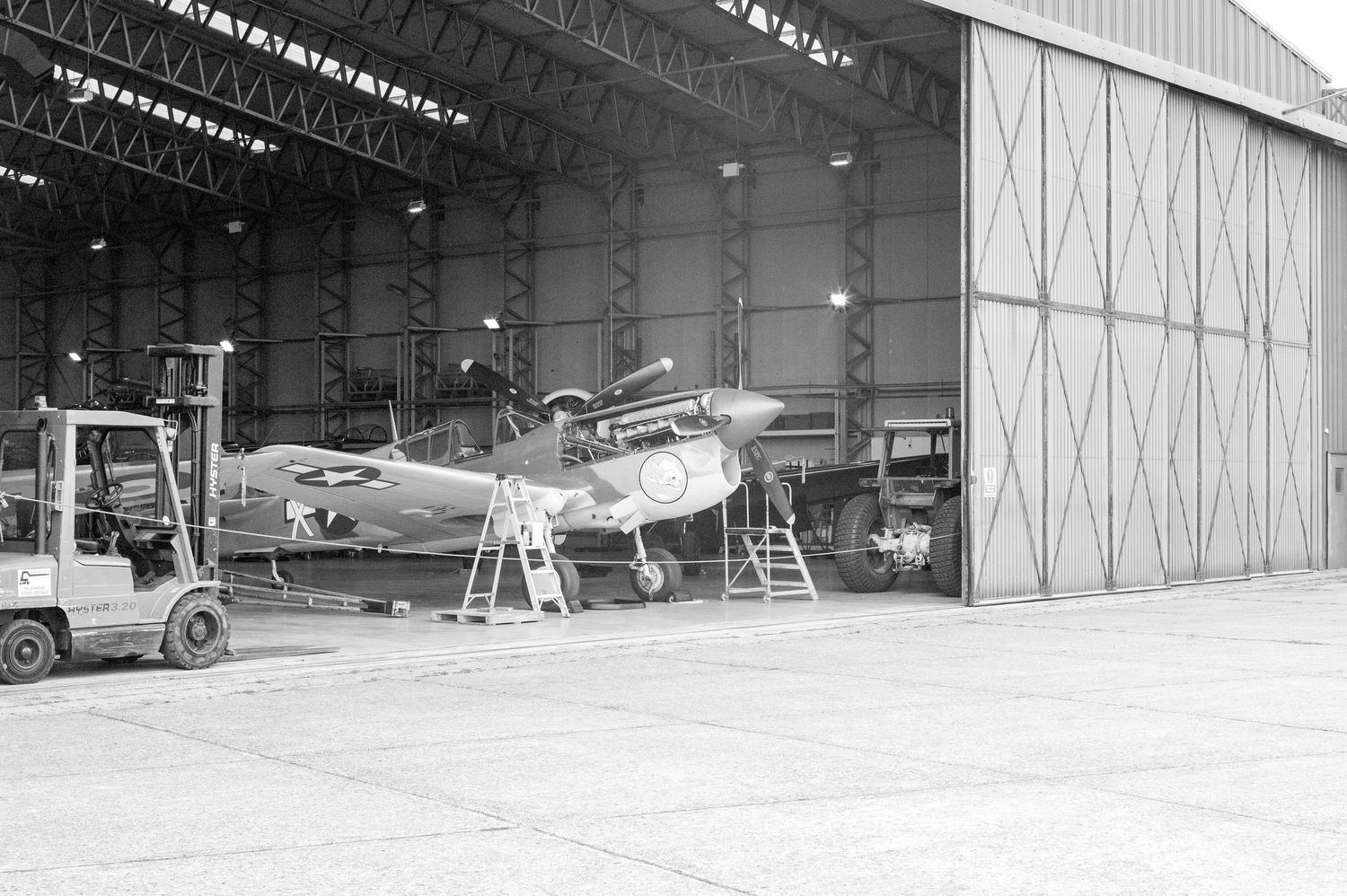
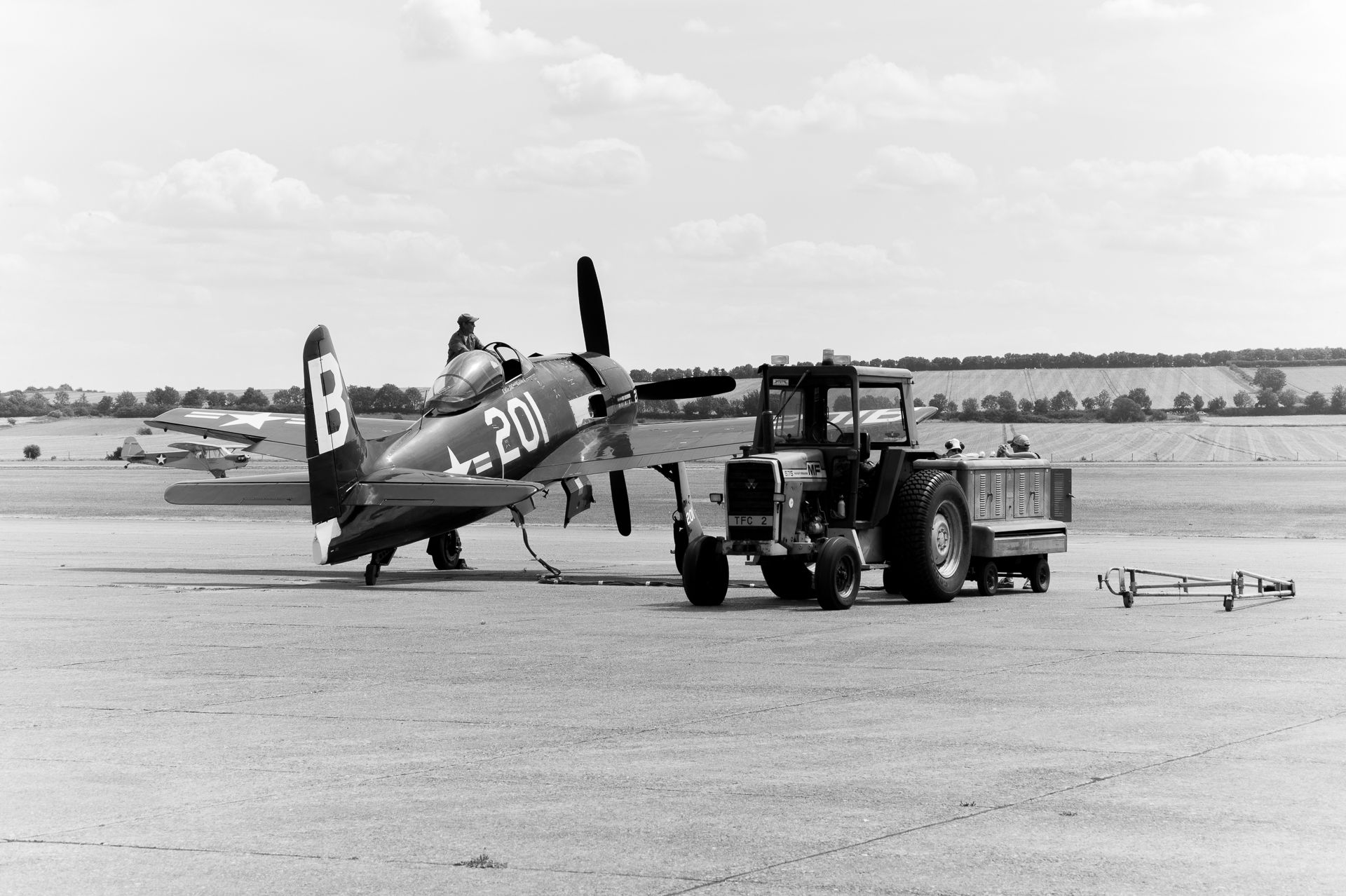
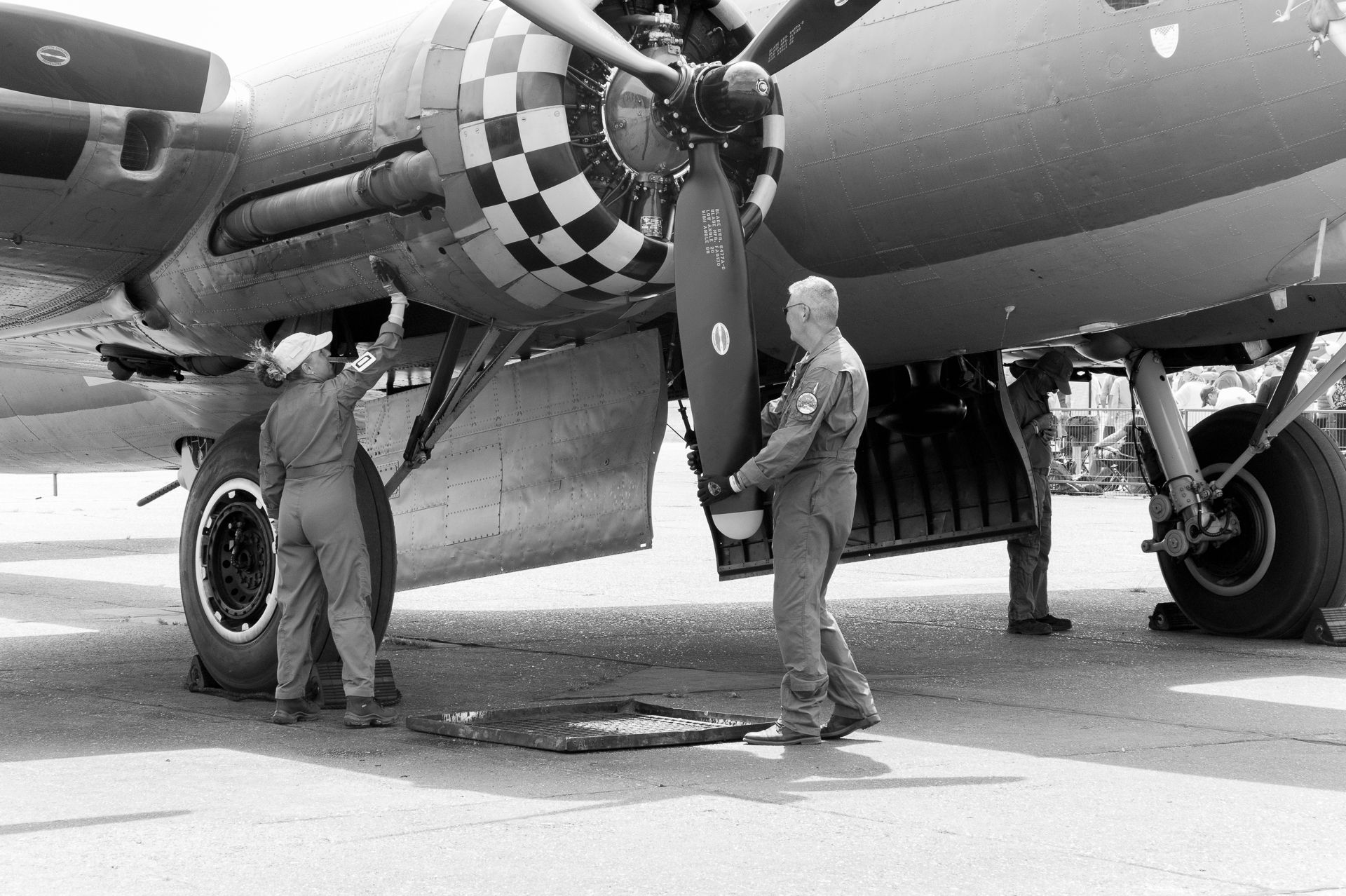
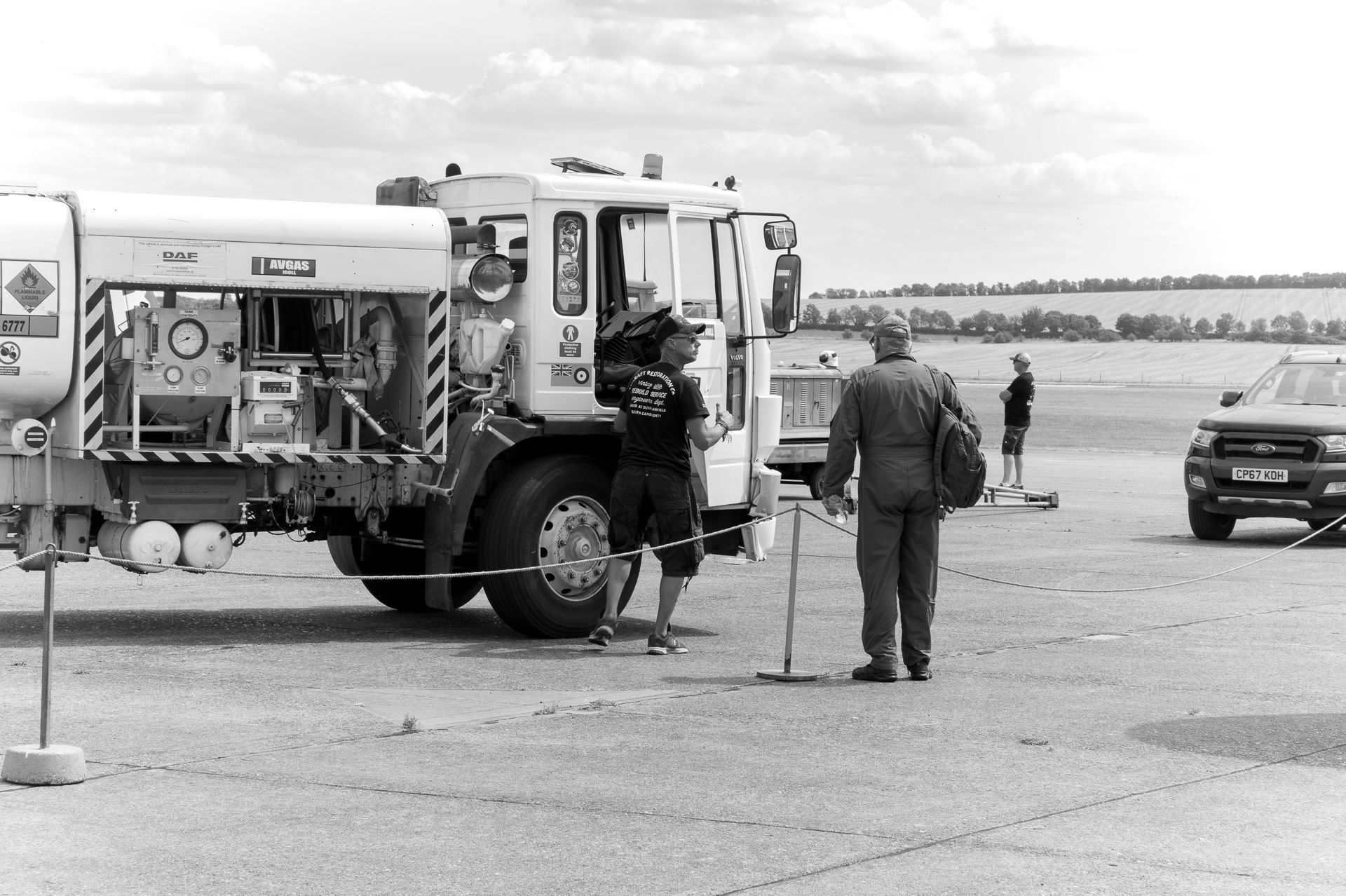
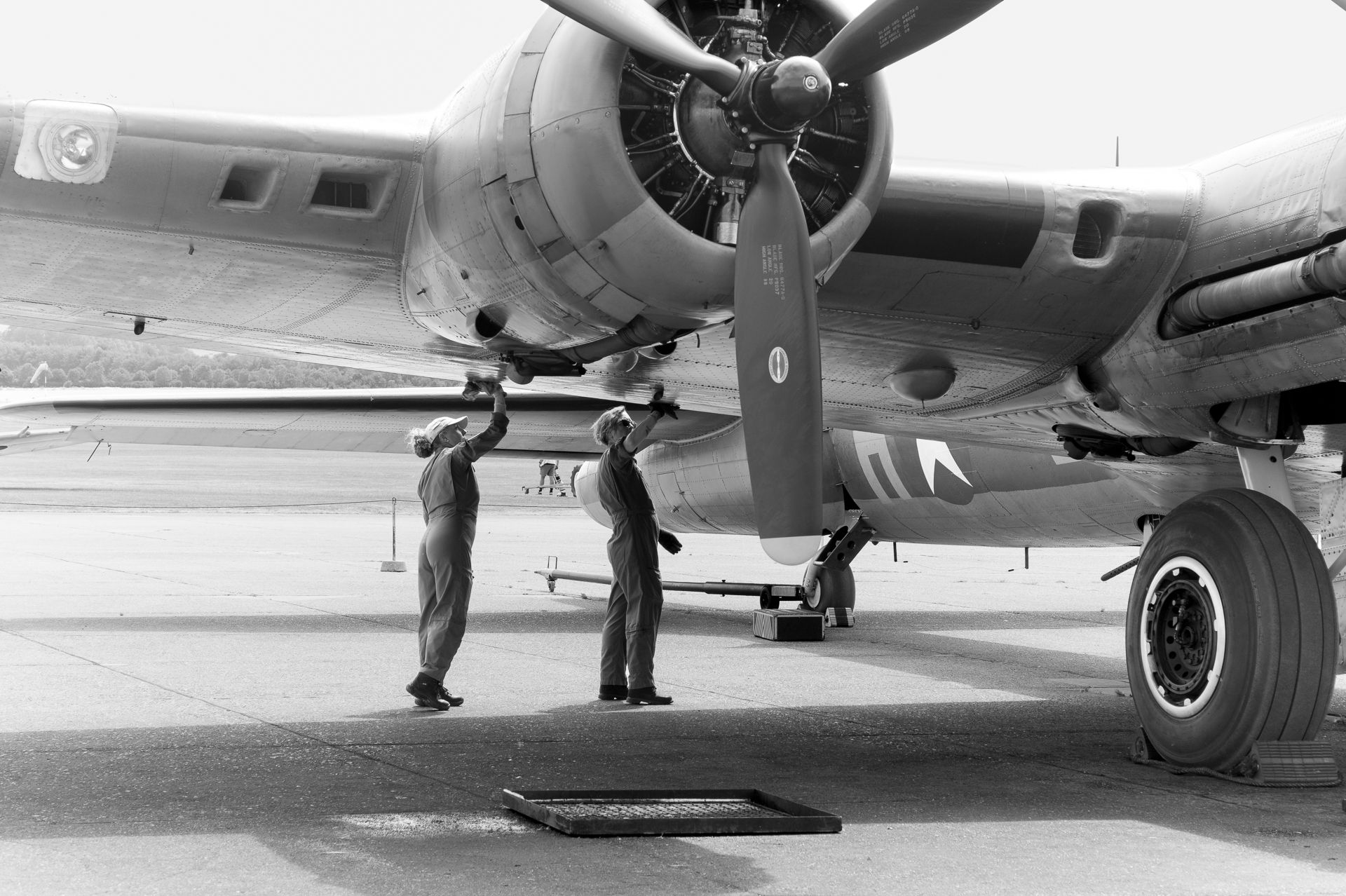
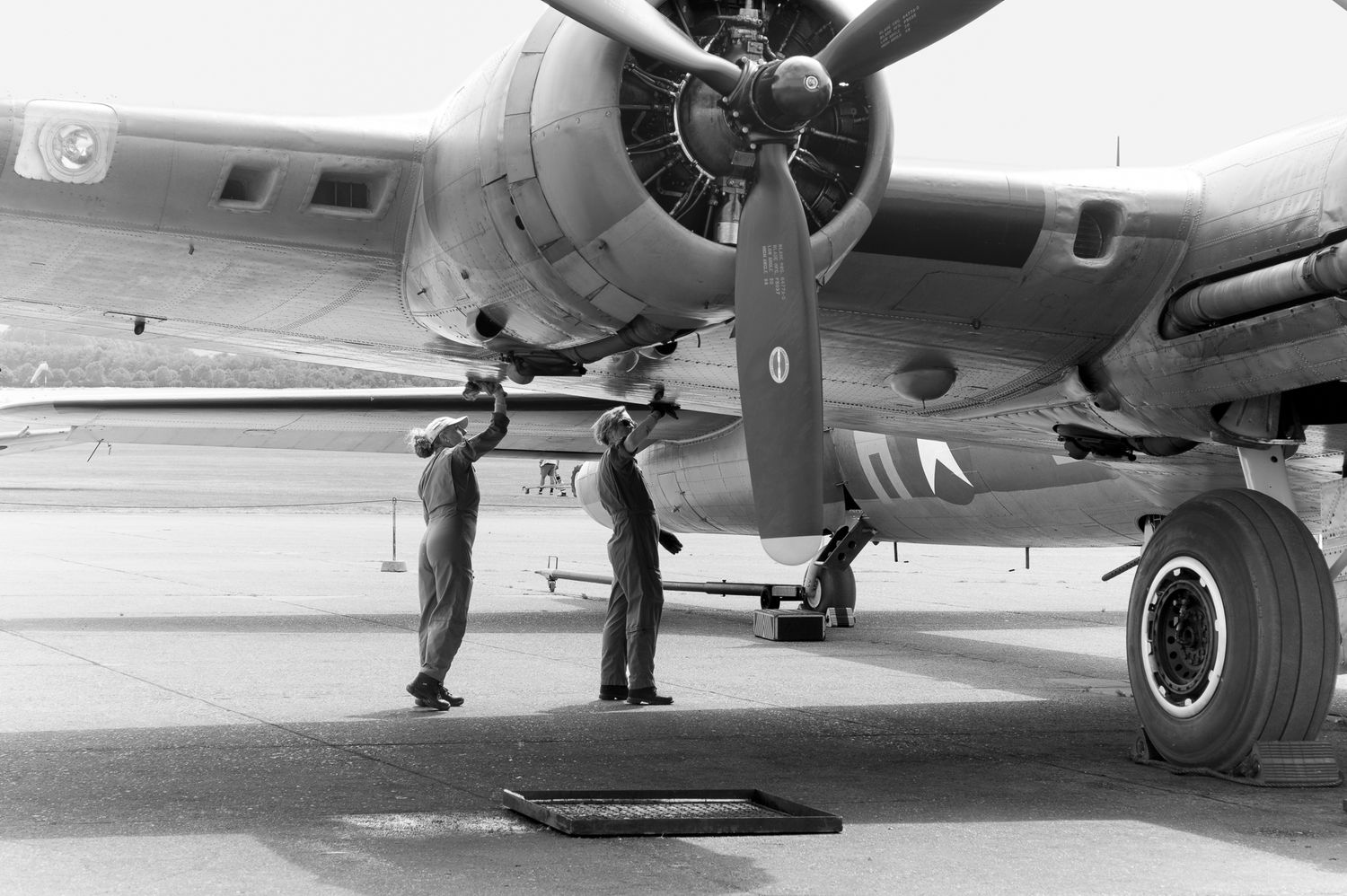
I went in wanting to capture the small details people miss while they’re all looking upward. You can see this in the behind‑the‑scenes image, where the workers are focused on the wing. Photographing the quieter exchanges adds context to the display; it shows the human operations behind the machinery, and the preparation behind the performance. It also shows how much people care about preserving these old war planes; keeping them running so they can continue to be presented in this way at Duxford airshows. Without the dedication of these engineers and volunteers, there wouldn’t be these mass gatherings in remembrance of such spectacular aircraft.
As the last of the aircraft touch back down, there’s both an applause of appreciation and a quietude of respect. The tannoy announces the end of the show, and all that excitement finally simmers down, but you can tell it leaves a lasting effect on the spectators. It’s such a moving and impressive display that my photography becomes a way of holding onto those moments a little longer. And for those who didn’t take any pictures or video, I want mine to be there for them to look back on later, so that feeling is prolonged.
Thanks for reading.
Challoner, N. (2024). Grumman F8F-2 Bearcat, G-RUMM / D-1088, The Fighter Collection :. [online] Abpic.co.uk. Available at: https://abpic.co.uk/pictures/view/1892573 [Accessed 27 Aug. 2026].
National Museum of the United States Air Force TM. (n.d.). Boeing B-17F Memphis BelleTM. [online] Available at: https://www.nationalmuseum.af.mil/Visit/Museum-Exhibits/Fact-Sheets/Display/Article/195966/boeing-b-17f-memphis-belle/ [Accessed 27 Aug. 2026].